
Sustaining Curb Appeal on West Hartford's Established Residential Lots
Mature Landscapes Demand a Different Approach
Residential streets throughout West Hartford carry a mature landscape profile that creates specific lawn care demands most general maintenance programs overlook entirely. Homes built from the 1920s through the 1960s sit on lots with decades-old oak, maple, and birch canopies that cast significant shade across front and side yards for the majority of the growing season. That shade changes the turf equation fundamentally — grass varieties that thrive in full sun thin out under dense canopy, and moisture evaporation slows to a point where fungal pressure builds during humid stretches from June through September when temperatures and dew points both remain elevated. Root competition between established trees and turf grass means nutrient applications need to penetrate below the shallow feeder root zone to be effective, and standard broadcast spreading often fails to deliver adequate coverage in these conditions. The large setbacks common in neighborhoods along Fern Street, Asylum Avenue, and the Boulevard Historic District give the impression of low-maintenance lawns, but those expansive front yards require carefully timed mowing rotations to prevent thatch buildup that suffocates new growth and harbors insect populations beneath the surface. Properties with irrigation systems installed decades ago often have coverage gaps where heads have shifted or zones have degraded over time, leading to inconsistent moisture distribution that shows up as brown patches by midsummer while adjacent sections remain oversaturated and prone to disease pressure.
How West Hartford's Seasons Test Every Lawn
Winter in West Hartford does not simply pause lawn growth — it actively damages turf through freeze-thaw cycles that heave shallow root systems, ice accumulation that smothers dormant crowns, and plowed snow banks that compress and kill grass along driveway margins where salt concentrations reach their highest levels. Properties along Farmington Avenue and near the Reservoir see colder microclimates due to elevation and wind exposure, which extends the frost window compared to neighborhoods closer to the town center that benefit from some urban heat retention. Spring recovery requires a sequenced approach that starts with debris removal and light raking to break up matted leaf cover before it suppresses new growth, followed by soil testing to determine whether winter salt applications have shifted pH levels beyond what turf grass tolerates effectively. The transition from dormancy to active growth happens in a compressed window — often just three to four weeks in late April through May — and missing that window with core aeration or overseeding pushes corrective work into fall and costs the property an entire growing season of recovery. Homeowners maintaining properties in West Hartford's higher-value neighborhoods face the additional pressure of community appearance standards where thin or patchy lawns stand out conspicuously against well-maintained neighboring lots that receive consistent professional care. A service program attuned to these seasonal timing constraints and local appearance expectations delivers results that hold through the full calendar year rather than peaking briefly in June and declining steadily through fall.
Shade-Adapted Mowing for Canopy-Heavy Lots
Mowing under heavy tree canopy requires a fundamentally different approach than maintaining open-sun lawns. Blade height needs to stay higher — typically three to three and a half inches — to maximize the leaf surface area available for photosynthesis in reduced light conditions. Properties across West Hartford's older residential corridors present this challenge on nearly every lot, where mature oaks and sugar maples cast shade patterns that shift throughout the growing season as leaf canopy thickens from May through August. Mowing frequency can often be reduced under heavy shade since growth rates slow, but each cut needs to remove no more than one-third of the blade height to avoid stressing already light-deprived turf. Edging along brick and bluestone walkways common in the Boulevard and Buena Vista districts requires careful technique to avoid chipping masonry edges that would be costly to repair. Clipping management also matters — in shaded areas where decomposition is slower due to reduced sun and air circulation, leaving heavy clipping mats on the surface accelerates thatch buildup that blocks water infiltration. A precision mowing program that adjusts height, frequency, and clipping dispersal based on actual canopy conditions produces healthier turf than a fixed weekly schedule ever could.
Soil Restoration After Winter Salt and Freeze Damage
Winter salt damage represents one of the most common yet underdiagnosed lawn problems on West Hartford properties where driveways and walkways receive heavy de-icing treatment each season. De-icing products applied to driveways, walkways, and municipal sidewalks leach sodium and chloride into adjacent soil over the course of the winter, raising salinity levels that interfere with root water uptake and nutrient absorption in the turf immediately bordering these hardscape surfaces. The symptoms — stunted spring growth, yellowing blade tips, and persistent thin patches along hardscape edges — often get misattributed to generic winter kill when the actual problem is chemical damage that requires specific remediation. Freeze-thaw cycling compounds the issue by physically heaving shallow-rooted turf and breaking the soil contact that roots need to recover effectively when temperatures finally stabilize in spring. Corrective treatment starts with soil testing to establish baseline salinity and pH levels, followed by targeted gypsum applications that displace sodium ions and improve soil structure in affected areas. In severe cases, topdressing with compost adds organic matter that buffers pH swings and promotes beneficial microbial activity that rebuilds soil health from the biology up. Core aeration after these amendments helps work the corrective materials into the root zone rather than leaving them sitting on the surface where they provide minimal benefit. For properties along heavily salted roads and cul-de-sacs throughout West Hartford, an annual spring remediation cycle prevents cumulative salt damage from degrading turf quality year over year and avoids the costly full renovation that becomes necessary when multiple seasons of damage go unaddressed.
Full-Season Fertilization for West Hartford Turf
A twelve-month fertilization program for West Hartford lawns needs to account for the full range of seasonal stresses these properties face across the calendar year. The early spring application — timed after soil temperatures consistently reach fifty-five degrees — focuses on balanced nitrogen to support the initial growth flush without overstimulating blade production that outpaces root development and creates a weak, leggy canopy. By late spring, weed pressure from crabgrass and broadleaf invaders peaks, and pre-emergent timing becomes critical to preventing establishment before competition chokes out desirable turf varieties that are still building density after winter. Summer applications shift toward potassium and micronutrient blends that reinforce cellular strength during heat stress and periods of inconsistent rainfall that characterize July and August in the Connecticut River Valley. The fall feeding schedule is where the most impactful investment happens — split applications in September and November drive aggressive root growth and carbohydrate storage that directly determine spring green-up speed and the density of initial growth when temperatures rise the following year. Properties with mature tree canopies benefit from iron supplementation that deepens color without pushing excessive top growth in shaded conditions where tall grass becomes susceptible to disease. Each application rate and timing decision should reflect current soil test data rather than relying on generic seasonal programs, because nutrient availability varies meaningfully between sandy-loam lots near the Reservoir and the heavier clay profiles found in neighborhoods south of Park Road where drainage characteristics change the entire fertilization equation.
Comprehensive Lawn Care And Snow Removal Services in Hartford
Tailored to Your Needs
We provide complete residential lawn care and snow removal services built for Hartford's year-round property maintenance demands. From weekly mowing and precise edging through the growing season to reliable snow plowing, sidewalk clearing, and de-icing through every winter storm, our crews deliver consistent results across all four seasons. Every service below is available individually or as part of a bundled year-round property care agreement.
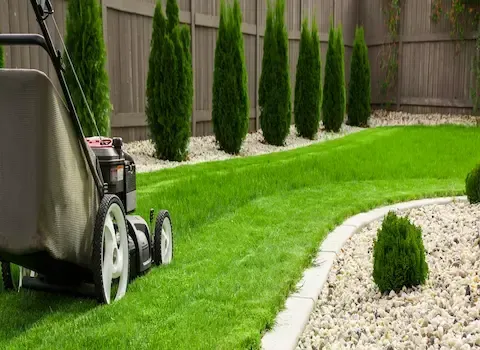
Weekly residential mowing with edging and trimming on every visit, sized for Hartford's urban and suburban lots.
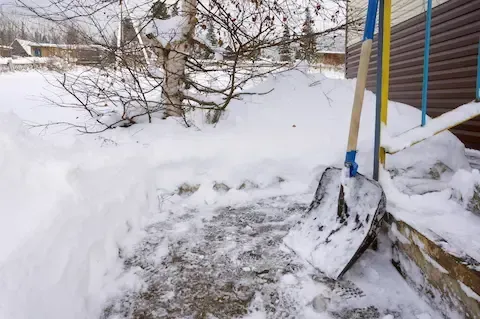
Front walkway, step, and porch clearing with ice melt treatment after every Hartford snow event.
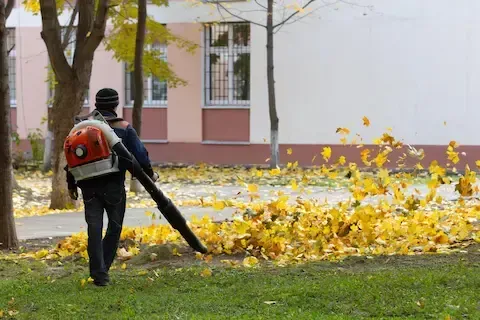
Complete leaf removal, bed clearing, and lawn winterization to protect your Hartford property before winter.

Winter debris removal, thatch raking, and salt damage assessment to launch your Hartford growing season right.
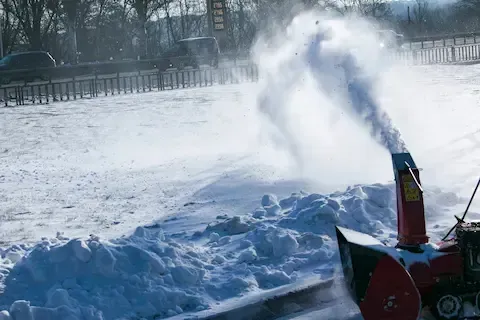
Reliable residential snow removal with seasonal contracts and priority response through every Hartford winter storm.
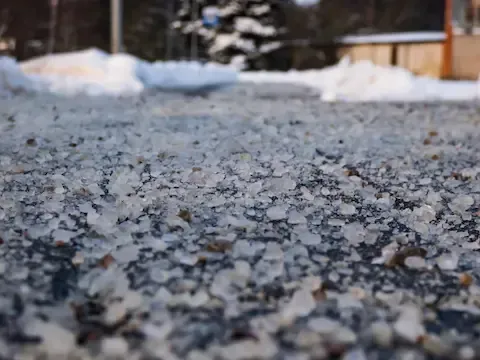
Professional ice treatment for driveways, walkways, and steps using products that work at Hartford's winter temperatures.
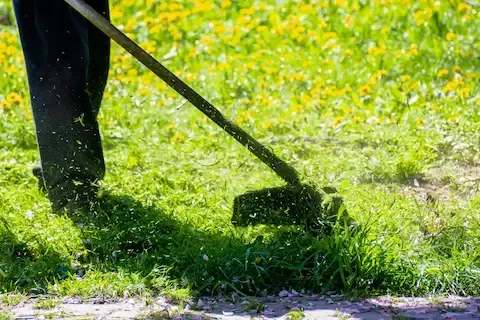
Crisp edging along all hard surfaces and bed lines, included with every weekly mowing visit in Hartford.
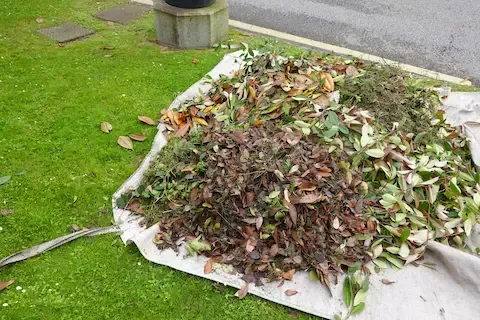
Fast removal of storm debris, fallen branches, and scattered waste from your Hartford residential property.
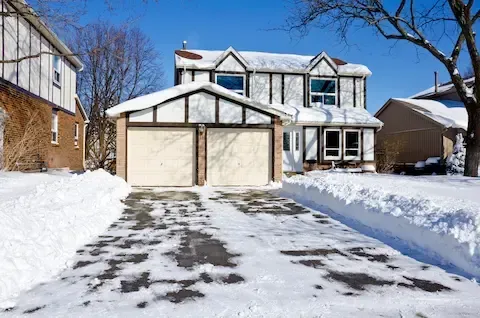
Residential driveway plowing with surface-safe equipment and pre-season property surveys for every Hartford client.
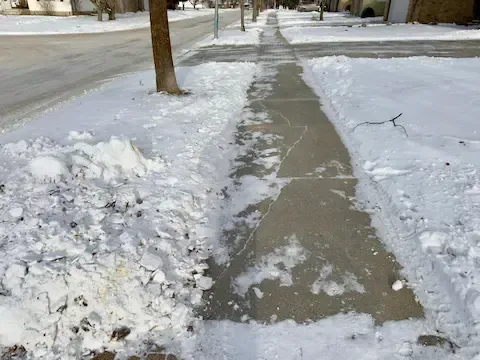
Full-width sidewalk clearing with ice melt application to keep your Hartford property compliant and safe.
Frequently Asked Questions
Lawn Care And Snow Removal can be complex, and we’re here to provide answers to common questions. Here are some frequently asked questions from our clients.
Frequently Asked Questions about Lawn Care Hartford CT
How often should I have my lawn mowed in Hartford?
Most Hartford homeowners benefit from weekly mowing during the active growing season, which runs from mid-April through late October in the Connecticut River Valley. Cool-season grasses like Kentucky bluegrass and fescue grow fastest in spring and fall, so we adjust our cutting schedule based on actual growth rates rather than a fixed calendar. During peak spring growth, your lawn may need cutting every five to six days, while midsummer heat slows things down enough that seven to ten day intervals work well.
When should I schedule snow removal service?
We recommend scheduling your first snow removal visit before the season starts so we can assess your driveway layout, identify any obstacles under the snow line, and confirm your preferred clearing times. Most Hartford residential clients set up seasonal contracts between late October and mid-November. This guarantees priority service when storms hit, because once the first nor'easter rolls through the Connecticut River Valley, availability fills up fast.
What lawn care challenges are specific to Hartford?
Hartford sits in USDA Zone 6a with heavy clay soils common throughout the Connecticut River Valley. That means your lawn needs core aeration at least once per year, ideally in early fall, to break through compacted clay and let water and nutrients reach the root zone. We also factor in Hartford's average annual rainfall and the way river valley drainage patterns affect individual properties when recommending treatment plans.
Can I bundle lawn care and snow removal together?
Absolutely. Hartford averages about 40 to 45 inches of snow each winter, and most residential clients find that bundling lawn care with snow removal saves both money and hassle. You get one team that already knows your property layout, drainage patterns, and any areas that need special attention. Seasonal transitions are seamless because we handle fall cleanup, winterization, snow removal through March, and spring recovery all under one service agreement.
What areas do you serve near Hartford?
Our service area covers Hartford and the surrounding communities including New Britain, West Hartford, Manchester, Glastonbury, and Middletown. We stay within a reasonable driving radius so our crews can respond quickly when storms hit and maintain consistent weekly schedules during the mowing season. Every property in our territory gets the same level of attention whether you are in downtown Hartford or the suburbs.
Does Hartford require sidewalk snow clearing?
Hartford property owners are required to clear sidewalks within a specified timeframe after snowfall ends under the city's municipal ordinance. Fines can add up quickly if sidewalks remain blocked, especially on streets near schools and commercial areas. Our sidewalk snow clearing service keeps you in full compliance so you never have to worry about penalties or liability from slip-and-fall incidents on your property frontage.
Need Lawn Care And Snow Removal?
What Our Satisfied Clients Have to Say About Hartford Lawn & Snow
We pride ourselves on delivering great results and experiences for each client. Hear directly from home and business owners who’ve trusted us with their Lawn Care And Snow Removal needs.

They handle our lawn all summer and our driveway all winter. Having one company that knows our property year-round makes everything simpler. The crew is always on time and the lawn looks better than it ever has.
Mark T.
I used to scramble every November finding someone to plow. Now our lawn care and snow removal are handled by the same team. They cleared our sidewalk before we even woke up during that big storm in January. Reliable is the right word.
Sarah L.
Professional crew that actually knows Hartford. They adjusted our mowing schedule for the dry spell last summer and treated our driveway edges for salt damage in spring without us asking. That attention to detail is hard to find.
James R.
The Trusted Lawn Care And Snow Removal Expert Near You
Ready to hear more about expert services at Hartford Lawn & Snow?
Contact us today to receive a detailed, no-obligation quote.

Serving Hartford and the surrounding cities
24/7
