
Year-Round Lawn Care That Keeps New Britain Properties Thriving
Managing Dense Lot Conditions Across New Britain
Residential lots throughout New Britain tend to sit closer together than in surrounding suburban communities, which creates a distinct set of lawn care pressures that standard suburban maintenance programs are not designed to address. Compact front yards and narrow side setbacks mean mowing patterns need to account for tight turning radiuses and edging along shared driveways where turf meets asphalt and concrete at multiple transition points. Shade from neighboring structures limits sun exposure on turf for significant portions of the day, contributing to moisture retention that encourages fungal activity during the warmer months when humidity levels remain elevated for weeks at a time. Multifamily properties add another layer of complexity — shared green spaces see heavier foot traffic from tenants and visitors, and turf recovery timelines need to be factored into any maintenance schedule to prevent permanent wear patterns. Older Cape Cod and Colonial Revival homes on streets throughout the city often sit on lots that have been producing turf for decades, with root systems competing against mature tree canopies for water and nutrients in soil that has never been properly amended. Compacted clay-heavy soils common in this part of the Connecticut River Valley resist drainage, which means aeration cycles and overseeding windows need to be timed carefully to avoid waterlogging that drowns emerging seedlings. A lawn care approach calibrated for these lot-level realities produces stronger root development and more consistent seasonal appearance than any generic mowing schedule applied without understanding the property can deliver.
Seasonal Transitions That Shape Lawn Health Here
Snow and ice accumulation across New Britain properties through winter months leaves behind compacted turf, salt residue along walkways, and bare patches where plowed snow sat for weeks smothering dormant grass crowns. Spring recovery in this climate demands more than just a first mowing pass — it requires targeted dethatching to remove matted dead material, soil amendment based on actual pH readings that account for winter salt leaching, and overseeding in areas where winter killed off grass crowns before they could enter proper dormancy. The mix of single-family homes, duplexes, and three-family investment properties means lawn care programs need to flex between owner-occupied standards and investor-grade maintenance expectations that prioritize curb appeal for tenant retention and property valuation. Properties near Walnut Hill Park and along the Stanley Quarter corridors experience different drainage patterns than those on the flatter sections closer to the Berlin Turnpike commercial edge, where impervious surface runoff from adjacent parking areas can channel water onto residential turf. Fertilization programs need to respect the growing season windows specific to Zone 6a conditions, where late-season nitrogen applications can push tender growth right into early frost events that damage the very blades the nitrogen was intended to strengthen. Managing these seasonal overlaps between lawn recovery and snow preparation is what separates a simple maintenance routine from a property care strategy built for this city's actual year-round conditions and property owner expectations.
Mowing and Edging for Compact Urban Lots
Mowing in New Britain requires more than a standard riding mower pass on most properties in the city. Lot sizes throughout New Britain frequently sit below a quarter acre, with front yards bordered by concrete sidewalks and shared driveways that demand precise edging along every transition point between turf and hardscape. Corner lots near the downtown grid face additional challenges from street tree root systems that push turf into uneven grades, making blade height adjustments critical to avoid scalping high spots while leaving low areas uncut. Multifamily properties add the complication of multiple entry paths, exterior staircases, and tenants moving through green spaces at different intervals throughout the day, which means mowing needs to be timed around occupancy patterns to avoid creating debris hazards on walkways. Overgrown edges along chain-link and stockade fencing accumulate debris that breeds pest activity and creates an unkempt appearance that drags down the curb appeal of adjacent properties on the same block. A structured mowing rotation paired with string trimming along every hard edge produces the kind of consistent finish that holds up between service visits and projects the maintained appearance that matters in tightly packed residential streetscapes. Properties with significant shade canopy also benefit from slightly higher cut heights that encourage deeper root growth and better moisture retention during the peak heat months of July and August when stress accumulates fastest on compact urban lots.
Aeration and Overseeding for Clay-Heavy Soils
Compacted soil conditions across much of New Britain present a persistent barrier to healthy turf development that no amount of surface-level mowing or fertilization can overcome. The clay-heavy substrate common throughout the Connecticut River Valley holds moisture near the surface while restricting root penetration below the first few inches of topsoil. Core aeration breaks through that compaction layer, allowing water, oxygen, and applied nutrients to reach the root zone where they produce actual growth responses rather than surface runoff that wastes product and fails to improve turf density. Timing aeration in the early fall window — typically mid-September through late October in this region — gives grass plants the strongest recovery opportunity before winter dormancy sets in and soil temperatures drop below the threshold for active root development. Overseeding immediately after aeration drops seed directly into the loosened cores, improving germination rates dramatically compared to broadcast seeding on untreated soil where seed-to-soil contact is inconsistent at best. For properties that took heavy damage from winter plowing, ice melt chemicals, or persistent shade that thinned turf through the previous growing season, combining aeration with a targeted overseeding blend matched to local growing conditions fills in thin patches and strengthens overall turf density across the entire lawn surface. The result over two to three seasons is a lawn that requires less corrective intervention each spring and handles foot traffic and weather stress with significantly more resilience than untreated turf.
Seasonal Fertilization Across Zone 6a Conditions
Fertilization timing in New Britain needs to account for the specific growing season dictated by Zone 6a climate patterns and the soil chemistry conditions prevalent across the city's residential properties. The last frost date typically falls in late April to early May, which means early-season nitrogen applications pushed too aggressively can feed weed germination rather than turf recovery, producing a lawn that looks green from crabgrass rather than desirable grass species. A balanced spring application focused on slow-release nitrogen supports steady blade growth without the surge-and-crash cycle that leaves lawns vulnerable heading into summer heat when moisture becomes inconsistent. Midsummer applications shift toward potassium-heavy formulations that strengthen cell walls and improve drought tolerance during the weeks when rainfall becomes unreliable and temperatures push past eighty degrees regularly across the Connecticut River Valley. The critical fall feeding window — usually late September through mid-November — is where the real investment in next year's lawn happens and where underfeeding shows up most visibly the following spring. Root systems absorb nutrients aggressively during this period, building the carbohydrate reserves that determine how quickly turf greens up the following April and how dense the initial spring growth appears. Properties exposed to de-icing salt along sidewalks and driveways also benefit from gypsum applications that help flush sodium from the soil profile before it locks up nutrient availability and degrades soil structure heading into the next growing season.
Comprehensive Lawn Care And Snow Removal Services in Hartford
Tailored to Your Needs
We provide complete residential lawn care and snow removal services built for Hartford's year-round property maintenance demands. From weekly mowing and precise edging through the growing season to reliable snow plowing, sidewalk clearing, and de-icing through every winter storm, our crews deliver consistent results across all four seasons. Every service below is available individually or as part of a bundled year-round property care agreement.
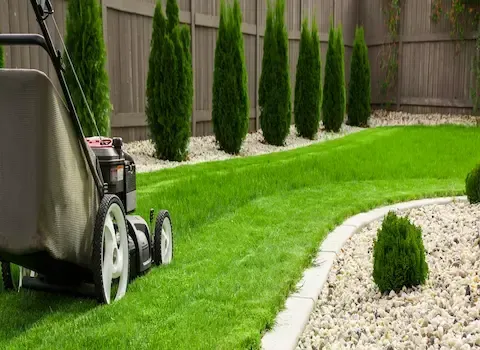
Weekly residential mowing with edging and trimming on every visit, sized for Hartford's urban and suburban lots.
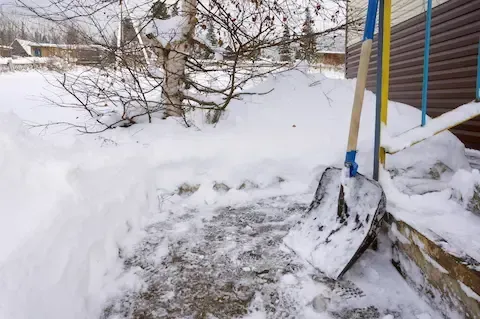
Front walkway, step, and porch clearing with ice melt treatment after every Hartford snow event.
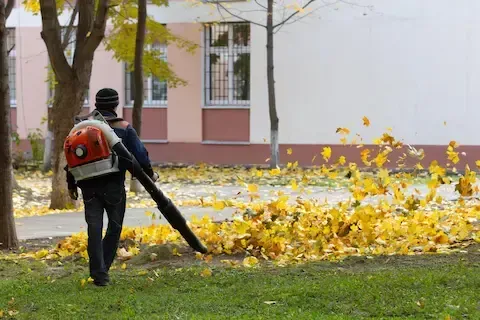
Complete leaf removal, bed clearing, and lawn winterization to protect your Hartford property before winter.

Winter debris removal, thatch raking, and salt damage assessment to launch your Hartford growing season right.

Reliable residential snow removal with seasonal contracts and priority response through every Hartford winter storm.
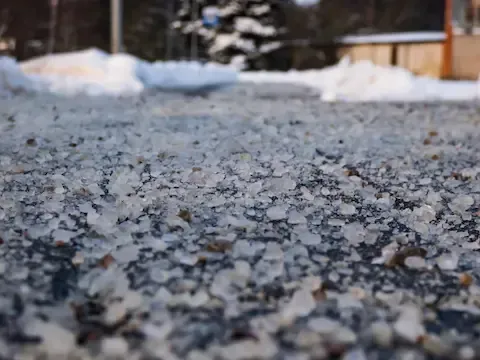
Professional ice treatment for driveways, walkways, and steps using products that work at Hartford's winter temperatures.
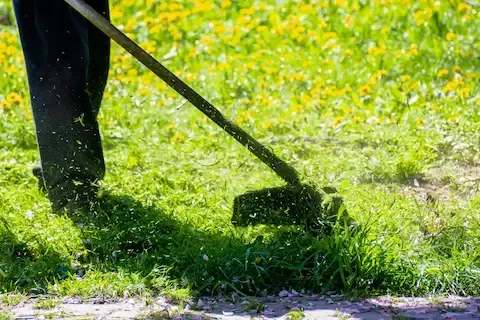
Crisp edging along all hard surfaces and bed lines, included with every weekly mowing visit in Hartford.
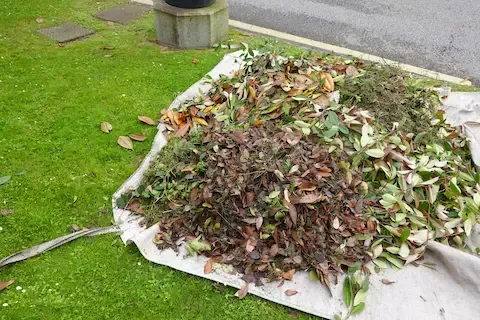
Fast removal of storm debris, fallen branches, and scattered waste from your Hartford residential property.
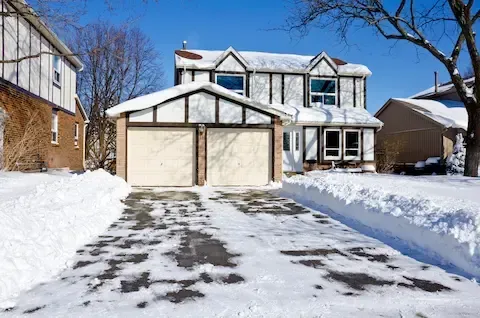
Residential driveway plowing with surface-safe equipment and pre-season property surveys for every Hartford client.
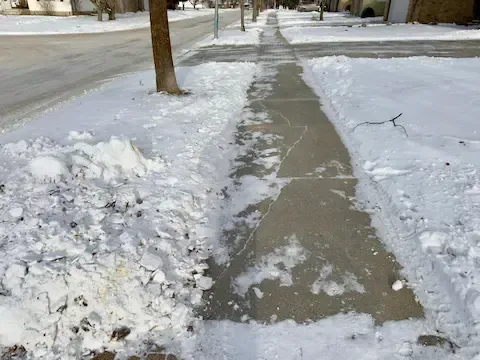
Full-width sidewalk clearing with ice melt application to keep your Hartford property compliant and safe.
Frequently Asked Questions
Lawn Care And Snow Removal can be complex, and we’re here to provide answers to common questions. Here are some frequently asked questions from our clients.
Frequently Asked Questions about Lawn Care Hartford CT
How often should I have my lawn mowed in Hartford?
Most Hartford homeowners benefit from weekly mowing during the active growing season, which runs from mid-April through late October in the Connecticut River Valley. Cool-season grasses like Kentucky bluegrass and fescue grow fastest in spring and fall, so we adjust our cutting schedule based on actual growth rates rather than a fixed calendar. During peak spring growth, your lawn may need cutting every five to six days, while midsummer heat slows things down enough that seven to ten day intervals work well.
When should I schedule snow removal service?
We recommend scheduling your first snow removal visit before the season starts so we can assess your driveway layout, identify any obstacles under the snow line, and confirm your preferred clearing times. Most Hartford residential clients set up seasonal contracts between late October and mid-November. This guarantees priority service when storms hit, because once the first nor'easter rolls through the Connecticut River Valley, availability fills up fast.
What lawn care challenges are specific to Hartford?
Hartford sits in USDA Zone 6a with heavy clay soils common throughout the Connecticut River Valley. That means your lawn needs core aeration at least once per year, ideally in early fall, to break through compacted clay and let water and nutrients reach the root zone. We also factor in Hartford's average annual rainfall and the way river valley drainage patterns affect individual properties when recommending treatment plans.
Can I bundle lawn care and snow removal together?
Absolutely. Hartford averages about 40 to 45 inches of snow each winter, and most residential clients find that bundling lawn care with snow removal saves both money and hassle. You get one team that already knows your property layout, drainage patterns, and any areas that need special attention. Seasonal transitions are seamless because we handle fall cleanup, winterization, snow removal through March, and spring recovery all under one service agreement.
What areas do you serve near Hartford?
Our service area covers Hartford and the surrounding communities including New Britain, West Hartford, Manchester, Glastonbury, and Middletown. We stay within a reasonable driving radius so our crews can respond quickly when storms hit and maintain consistent weekly schedules during the mowing season. Every property in our territory gets the same level of attention whether you are in downtown Hartford or the suburbs.
Does Hartford require sidewalk snow clearing?
Hartford property owners are required to clear sidewalks within a specified timeframe after snowfall ends under the city's municipal ordinance. Fines can add up quickly if sidewalks remain blocked, especially on streets near schools and commercial areas. Our sidewalk snow clearing service keeps you in full compliance so you never have to worry about penalties or liability from slip-and-fall incidents on your property frontage.
Need Lawn Care And Snow Removal?
What Our Satisfied Clients Have to Say About Hartford Lawn & Snow
We pride ourselves on delivering great results and experiences for each client. Hear directly from home and business owners who’ve trusted us with their Lawn Care And Snow Removal needs.

They handle our lawn all summer and our driveway all winter. Having one company that knows our property year-round makes everything simpler. The crew is always on time and the lawn looks better than it ever has.
Mark T.
I used to scramble every November finding someone to plow. Now our lawn care and snow removal are handled by the same team. They cleared our sidewalk before we even woke up during that big storm in January. Reliable is the right word.
Sarah L.
Professional crew that actually knows Hartford. They adjusted our mowing schedule for the dry spell last summer and treated our driveway edges for salt damage in spring without us asking. That attention to detail is hard to find.
James R.
The Trusted Lawn Care And Snow Removal Expert Near You
Ready to hear more about expert services at Hartford Lawn & Snow?
Contact us today to receive a detailed, no-obligation quote.

Serving Hartford and the surrounding cities
24/7
