
Lawn Care Engineered for Middletown's River Valley Properties
River Valley Conditions Shape Every Lawn Decision
Properties throughout Middletown occupy a landscape shaped by the Connecticut River and the valley floor conditions it creates. Soil profiles near the riverfront and in lower-elevation neighborhoods carry higher silt and clay content that retains moisture well past the point where turf root systems can tolerate saturation. Homes in the South Farms and Westfield sections sit on slightly elevated terrain with better natural drainage, but those lots contend with fill soils from residential development that lack the organic matter depth needed for long-term turf health. The mix of housing ages and styles across Middletown — from century-old homes near Main Street to contemporary subdivisions along the southern corridors — means soil conditions, grading profiles, and existing turf quality vary block by block. Properties near Wesleyan University and in the downtown residential neighborhoods deal with heavier pedestrian traffic patterns, street tree root intrusion, and the compaction effects of on-street parking that pushes vehicles onto grass shoulders during peak periods. Establishing and maintaining a healthy lawn in Middletown requires understanding which combination of moisture management, nutrient delivery, and mechanical intervention each property needs based on its specific location within the river valley landscape rather than applying assumptions borrowed from surrounding hilltop communities.
Navigating Middletown's Full Seasonal Cycle
Seasonal weather patterns in Middletown amplify the lawn care challenges that river valley properties already face during the growing season. Spring snowmelt combined with seasonal rainfall keeps soils saturated well into May on low-lying properties, delaying the start of effective maintenance work and compressing the window for early-season aeration and overseeding. Summer heat builds in the valley with less wind relief than hilltop communities receive, creating conditions where turf moisture stress develops faster and recovery from drought damage takes longer. The humid microclimate along the river corridor also elevates fungal disease pressure, with brown patch and dollar spot appearing earlier and persisting longer than on properties with better air circulation. Fall brings the challenge of managing leaf accumulation from Middletown's mature urban tree canopy while simultaneously executing the fertilization and overseeding programs that determine next spring's turf quality. Winter plowing along the city's residential streets and extended private driveways pushes snow, salt, and debris onto adjacent lawn areas, creating damage zones that require targeted spring remediation before general maintenance can begin. Each season in Middletown adds a layer of stress that the previous season's care decisions either mitigate or magnify, making a continuous twelve-month approach far more effective than seasonal intervention alone.
Moisture-Managed Mowing for Valley Floor Properties
Mowing on moisture-heavy soils demands attention to timing and equipment weight that many standard lawn care services overlook. Properties in Middletown's lower-elevation neighborhoods can remain saturated for days after rainfall, and running heavy mowing equipment across wet turf creates wheel ruts that compact already dense soil and leave visible tracks that persist for weeks. Scheduling mowing during appropriate soil moisture windows — typically twenty-four to forty-eight hours after significant rain on clay-heavy lots — prevents this damage while still maintaining a consistent cutting schedule. Blade sharpness takes on elevated importance in humid conditions because dull cuts tear grass blades rather than slicing cleanly, creating ragged edges that increase moisture loss and provide entry points for fungal pathogens already prevalent in the valley microclimate. Mowing height should stay at the upper end of the recommended range for cool-season grasses, particularly during summer months when taller blade height shades the soil surface and reduces the evaporation rate that triggers irrigation demand. Properties with sections that remain persistently wet may benefit from adjusted mowing patterns that skip saturated zones until conditions allow safe equipment access, rather than forcing a full-property pass that causes more damage than it corrects. This kind of condition-responsive mowing produces better turf outcomes than rigid weekly scheduling on Middletown's river valley properties.
Drainage-Focused Aeration for River Valley Soils
Aeration on Middletown properties serves a dual purpose that goes beyond standard compaction relief. The silt-heavy and clay-rich soils prevalent across the valley floor restrict both root penetration and vertical water movement, which means excess moisture sits in the top few inches of soil rather than percolating downward through the profile. Core aeration opens vertical channels that improve this drainage dynamic, reducing the duration of surface saturation after rain events and lowering the risk of root rot and fungal establishment that thrive in waterlogged conditions. Timing aeration for early fall — when soil moisture levels begin to moderate but soil temperatures still support active root growth — maximizes the functional lifespan of the aeration holes before freeze-thaw cycling closes them over winter. Properties in the Maromas and riverfront sections that deal with the most persistent moisture challenges benefit from double-pass aeration at perpendicular angles, which increases the density of drainage channels and accelerates the improvement in soil air exchange. Overseeding immediately after aeration drops seed into the protected environment of the aeration cores, where consistent soil contact and residual moisture create ideal germination conditions without the washout risk that surface-broadcast seed faces on sloped or saturated ground. For Middletown properties where drainage defines the maintenance equation, aeration is the single most impactful mechanical intervention available.
Seasonal Fertilization Tuned to Middletown's Climate
Fertilization strategy for Middletown properties needs to account for the nutrient dynamics specific to river valley soils that behave differently than the well-drained upland soils found in neighboring communities. Clay and silt particles bind nutrients — particularly phosphorus and potassium — more tightly than sandy or loamy soils, which means these nutrients become available to grass roots more slowly and over a longer period. Nitrogen behaves differently in these conditions as well: the reduced drainage rate keeps nitrogen in the root zone longer, which is beneficial in moderate doses but creates toxicity risk if application rates designed for fast-draining soils are used without adjustment. A soil test establishes the baseline nutrient levels and pH that dictate both the formulation and rate of each seasonal application. Spring applications on Middletown lawns should prioritize balanced slow-release blends that support steady growth without overwhelming root systems still recovering from winter dormancy in saturated conditions. Summer feeding shifts toward lighter applications focused on stress tolerance rather than growth stimulation. The critical fall window drives the heaviest nutrient investment, building root carbohydrate reserves through split applications that extend into November. Properties near heavily salted roadways benefit from additional calcium and gypsum amendments that counteract sodium accumulation and restore the soil structure that de-icing products degrade over successive winters.
Comprehensive Lawn Care And Snow Removal Services in Hartford
Tailored to Your Needs
We provide complete residential lawn care and snow removal services built for Hartford's year-round property maintenance demands. From weekly mowing and precise edging through the growing season to reliable snow plowing, sidewalk clearing, and de-icing through every winter storm, our crews deliver consistent results across all four seasons. Every service below is available individually or as part of a bundled year-round property care agreement.
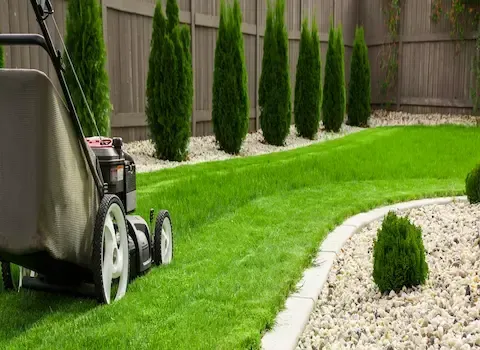
Weekly residential mowing with edging and trimming on every visit, sized for Hartford's urban and suburban lots.
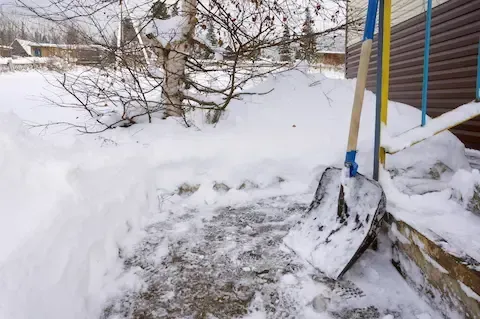
Front walkway, step, and porch clearing with ice melt treatment after every Hartford snow event.
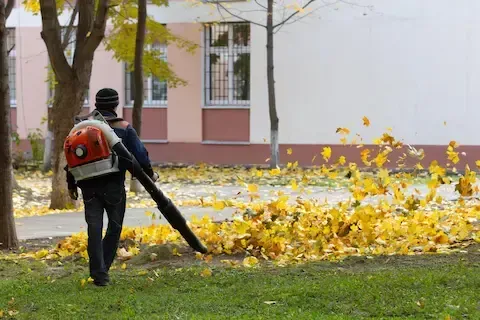
Complete leaf removal, bed clearing, and lawn winterization to protect your Hartford property before winter.

Winter debris removal, thatch raking, and salt damage assessment to launch your Hartford growing season right.
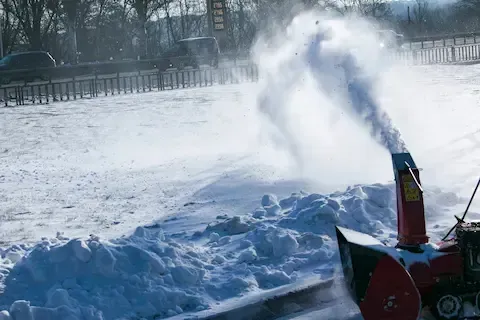
Reliable residential snow removal with seasonal contracts and priority response through every Hartford winter storm.
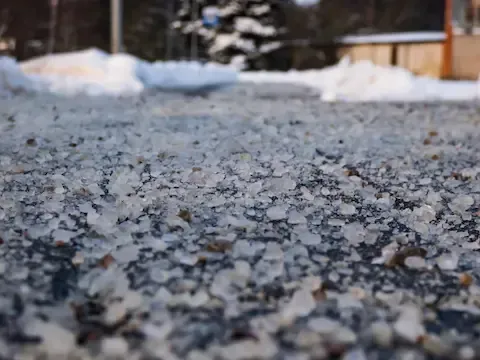
Professional ice treatment for driveways, walkways, and steps using products that work at Hartford's winter temperatures.
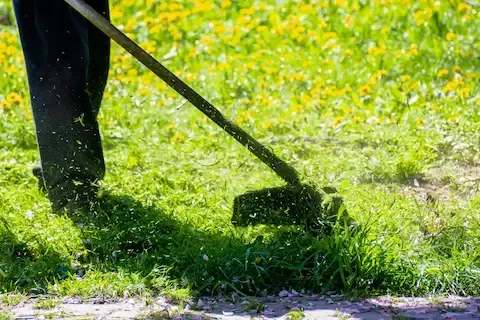
Crisp edging along all hard surfaces and bed lines, included with every weekly mowing visit in Hartford.
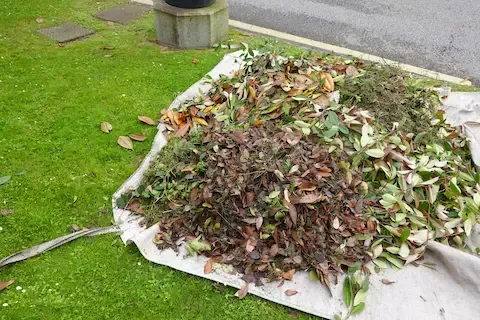
Fast removal of storm debris, fallen branches, and scattered waste from your Hartford residential property.
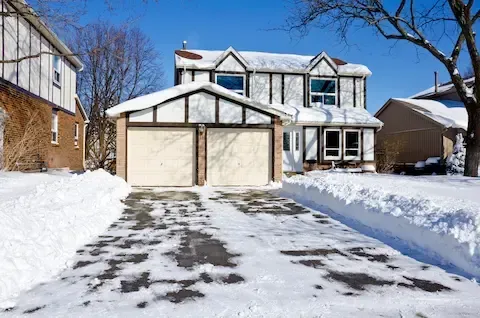
Residential driveway plowing with surface-safe equipment and pre-season property surveys for every Hartford client.
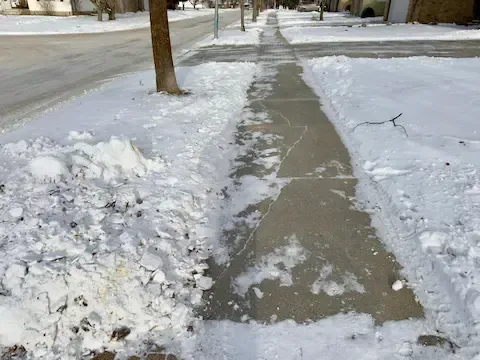
Full-width sidewalk clearing with ice melt application to keep your Hartford property compliant and safe.
Frequently Asked Questions
Lawn Care And Snow Removal can be complex, and we’re here to provide answers to common questions. Here are some frequently asked questions from our clients.
Frequently Asked Questions about Lawn Care Hartford CT
How often should I have my lawn mowed in Hartford?
Most Hartford homeowners benefit from weekly mowing during the active growing season, which runs from mid-April through late October in the Connecticut River Valley. Cool-season grasses like Kentucky bluegrass and fescue grow fastest in spring and fall, so we adjust our cutting schedule based on actual growth rates rather than a fixed calendar. During peak spring growth, your lawn may need cutting every five to six days, while midsummer heat slows things down enough that seven to ten day intervals work well.
When should I schedule snow removal service?
We recommend scheduling your first snow removal visit before the season starts so we can assess your driveway layout, identify any obstacles under the snow line, and confirm your preferred clearing times. Most Hartford residential clients set up seasonal contracts between late October and mid-November. This guarantees priority service when storms hit, because once the first nor'easter rolls through the Connecticut River Valley, availability fills up fast.
What lawn care challenges are specific to Hartford?
Hartford sits in USDA Zone 6a with heavy clay soils common throughout the Connecticut River Valley. That means your lawn needs core aeration at least once per year, ideally in early fall, to break through compacted clay and let water and nutrients reach the root zone. We also factor in Hartford's average annual rainfall and the way river valley drainage patterns affect individual properties when recommending treatment plans.
Can I bundle lawn care and snow removal together?
Absolutely. Hartford averages about 40 to 45 inches of snow each winter, and most residential clients find that bundling lawn care with snow removal saves both money and hassle. You get one team that already knows your property layout, drainage patterns, and any areas that need special attention. Seasonal transitions are seamless because we handle fall cleanup, winterization, snow removal through March, and spring recovery all under one service agreement.
What areas do you serve near Hartford?
Our service area covers Hartford and the surrounding communities including New Britain, West Hartford, Manchester, Glastonbury, and Middletown. We stay within a reasonable driving radius so our crews can respond quickly when storms hit and maintain consistent weekly schedules during the mowing season. Every property in our territory gets the same level of attention whether you are in downtown Hartford or the suburbs.
Does Hartford require sidewalk snow clearing?
Hartford property owners are required to clear sidewalks within a specified timeframe after snowfall ends under the city's municipal ordinance. Fines can add up quickly if sidewalks remain blocked, especially on streets near schools and commercial areas. Our sidewalk snow clearing service keeps you in full compliance so you never have to worry about penalties or liability from slip-and-fall incidents on your property frontage.
Need Lawn Care And Snow Removal?
What Our Satisfied Clients Have to Say About Hartford Lawn & Snow
We pride ourselves on delivering great results and experiences for each client. Hear directly from home and business owners who’ve trusted us with their Lawn Care And Snow Removal needs.

They handle our lawn all summer and our driveway all winter. Having one company that knows our property year-round makes everything simpler. The crew is always on time and the lawn looks better than it ever has.
Mark T.
I used to scramble every November finding someone to plow. Now our lawn care and snow removal are handled by the same team. They cleared our sidewalk before we even woke up during that big storm in January. Reliable is the right word.
Sarah L.
Professional crew that actually knows Hartford. They adjusted our mowing schedule for the dry spell last summer and treated our driveway edges for salt damage in spring without us asking. That attention to detail is hard to find.
James R.
The Trusted Lawn Care And Snow Removal Expert Near You
Ready to hear more about expert services at Hartford Lawn & Snow?
Contact us today to receive a detailed, no-obligation quote.

Serving Hartford and the surrounding cities
24/7
