
Protecting Glastonbury's High-Value Landscapes Through Every Season
Large Lots and Hillside Grades Define the Work
Properties across Glastonbury sit on some of the largest residential lots in the greater Hartford region, and that acreage translates directly into lawn care complexity that smaller suburban programs are not structured to handle. Homes in the Minnechaug Mountain developments occupy sloped terrain where water runoff patterns, mowing line angles, and fertilizer application rates all need to account for grade changes that can shift drainage from one section of a yard to another within a single storm event. The Connecticut River corridor along the western edge of town creates a different microclimate than the wooded hillside neighborhoods to the east — lower elevations hold moisture longer, while elevated lots dry faster and face greater wind exposure that accelerates evapotranspiration during summer heat. Colonial Revival homes on established lots carry mature landscape plantings that create shade zones, root competition areas, and irrigation dead spots that newer construction avoids through open-lot grading. Maintaining turf quality across these varied conditions requires property-specific planning that considers topography, sun mapping, soil profiles, and the interaction between lawn areas and adjacent landscape beds. A program designed around these realities protects the investment these properties represent rather than applying a one-size approach to a landscape that resists uniformity.
Seasonal Pressures on Glastonbury's Premium Turf
Seasonal transitions in Glastonbury push lawn systems through stress cycles that expose weaknesses in any maintenance program not calibrated for local conditions. The spring thaw arrives with saturated soils on lower-elevation properties while hillside lots in east Glastonbury are still dealing with frozen subsoil layers that prevent drainage, creating surface pooling that drowns grass crowns in standing water. By midsummer, those same hillside properties face the opposite problem — exposed slopes lose moisture rapidly, and turf that was overwatered in spring lacks the deep root structure needed to survive three-week dry stretches without supplemental irrigation. Fall leaf volume on Glastonbury properties is substantial, driven by the town's extensive hardwood forest canopy and the large lot sizes that generate more debris per property than urban or tight suburban settings. Leaf removal timing directly impacts fall overseeding and fertilization effectiveness — buried seed cannot germinate, and fertilizer applied on top of a leaf mat never reaches the soil. Winter brings plowing along extended driveways and private roads that many Glastonbury properties maintain, leaving salt-damaged turf margins and compressed snow kill zones that require targeted spring remediation. Understanding how each seasonal phase sets up the conditions for the next is what allows a lawn care program to stay ahead of damage rather than constantly reacting to it.
Precision Mowing for Large Acreage Properties
Mowing large residential lots in Glastonbury requires equipment capacity and routing strategy that goes beyond what standard residential services typically deploy. Properties exceeding half an acre — and many in the Minnechaug and Diamond Lake areas exceed a full acre of maintained turf — need commercial-grade mowing decks to deliver a consistent cut height across the entire surface within a service window that does not disrupt the property schedule. Slope mowing adds time and technique requirements that flat-lot work does not demand: contour mowing along the grade rather than up and down prevents wheel ruts and reduces the risk of scalping on high spots. Properties with multiple lawn zones separated by landscape beds, stone walls, or tree lines need each zone treated as its own maintenance area with potentially different blade heights based on sun exposure and grass variety. Edging along the decorative stone borders and brick walkways common on Glastonbury properties requires careful equipment handling to protect hardscape investments that can cost thousands to replace. Clipping management on large lots takes on added importance because the sheer volume of cut material produced per mowing session can create thatch mats that block light and moisture if not properly dispersed. Matching mowing equipment, crew size, and technique to the actual scale and complexity of each Glastonbury property delivers the finish quality these landscapes demand.
Slope-Specific Aeration and Drainage Management
Sloped properties throughout Glastonbury present a unique aeration challenge because water and nutrient movement follow gravity rather than distributing evenly across the turf surface. Standard core aeration on a hillside lot allows water to channel through the aeration holes and flow downhill rather than soaking into the surrounding soil, which means the upper portions of a slope receive less benefit than the lower sections where moisture collects. Addressing this requires adjusting aeration density and pattern based on slope grade — tighter core spacing at the top of slopes and slightly wider spacing at the base where natural moisture accumulation already supports root activity. Properties with significant grade changes also benefit from aeration timing that coincides with periods of consistent light rainfall rather than heavy storm events that would cause runoff through the freshly opened cores. Overseeding on slopes demands heavier seed rates than flat applications because gravity and wind move seed downhill before germination can anchor it in place. Applying a light topdressing of compost over aerated and seeded slopes helps hold seed in contact with soil while adding organic matter that improves the long-term water retention capacity of hillside soils. For Glastonbury properties where slope management is a central part of the landscape equation, these adjustments make the difference between effective aeration and wasted effort.
Premium Fertilization for High-Value Landscapes
Fertilization on premium Glastonbury properties carries expectations that extend beyond basic turf health into the realm of visual consistency and year-round aesthetic performance. Homeowners investing significantly in landscape design, hardscape features, and property presentation expect turf that matches that standard — deep color, uniform density, and clean edges from April through November. Meeting that expectation starts with granular soil testing at multiple points across larger properties, because nutrient levels can vary meaningfully between a well-irrigated front lawn and a dry south-facing slope in the back. Application rates then get customized by zone rather than applying a single rate across the entire property. Slow-release nitrogen formulations provide the steady feed that prevents the surge-and-fade growth patterns visible on many lawns after quick-release applications. Micronutrient supplementation — particularly iron, manganese, and zinc — addresses the subtle color and density deficiencies that macronutrient programs alone cannot correct. The fall fertilization window receives the heaviest application investment, with split feedings in September and November that drive the root carbohydrate loading essential for strong spring emergence. Properties with established irrigation systems benefit from coordinating fertilization timing with watering schedules to ensure nutrients are moved into the soil profile rather than sitting on the blade surface where they volatilize or wash away. This level of precision transforms fertilization from a commodity service into a measurable performance investment.
Comprehensive Lawn Care And Snow Removal Services in Hartford
Tailored to Your Needs
We provide complete residential lawn care and snow removal services built for Hartford's year-round property maintenance demands. From weekly mowing and precise edging through the growing season to reliable snow plowing, sidewalk clearing, and de-icing through every winter storm, our crews deliver consistent results across all four seasons. Every service below is available individually or as part of a bundled year-round property care agreement.
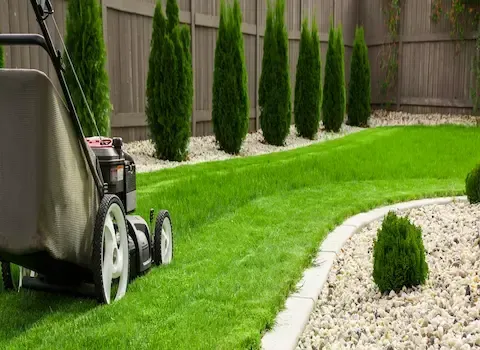
Weekly residential mowing with edging and trimming on every visit, sized for Hartford's urban and suburban lots.
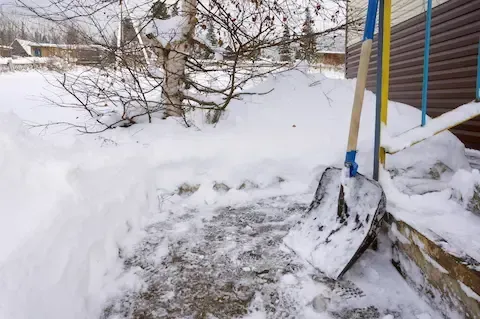
Front walkway, step, and porch clearing with ice melt treatment after every Hartford snow event.
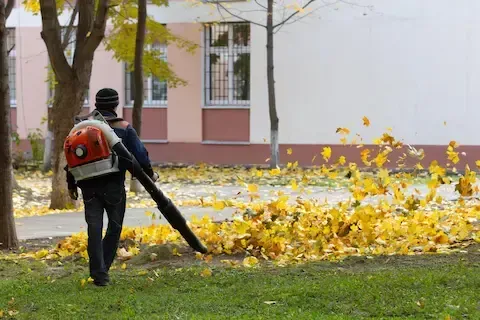
Complete leaf removal, bed clearing, and lawn winterization to protect your Hartford property before winter.

Winter debris removal, thatch raking, and salt damage assessment to launch your Hartford growing season right.

Reliable residential snow removal with seasonal contracts and priority response through every Hartford winter storm.
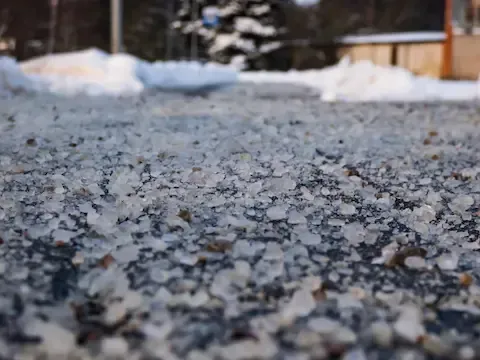
Professional ice treatment for driveways, walkways, and steps using products that work at Hartford's winter temperatures.
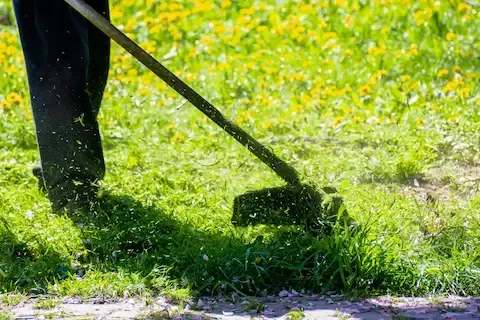
Crisp edging along all hard surfaces and bed lines, included with every weekly mowing visit in Hartford.
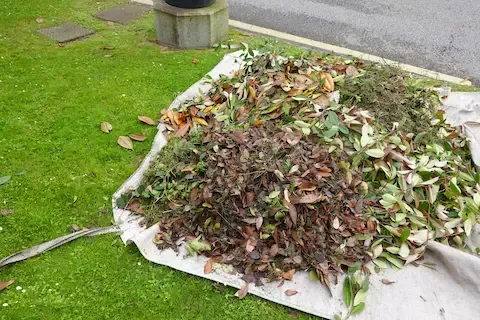
Fast removal of storm debris, fallen branches, and scattered waste from your Hartford residential property.
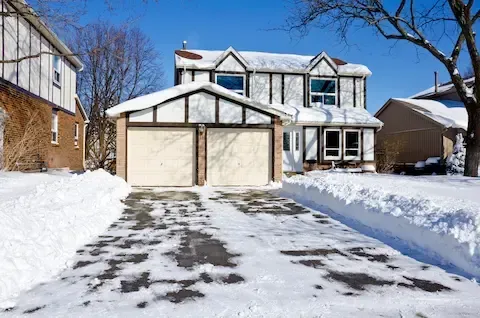
Residential driveway plowing with surface-safe equipment and pre-season property surveys for every Hartford client.
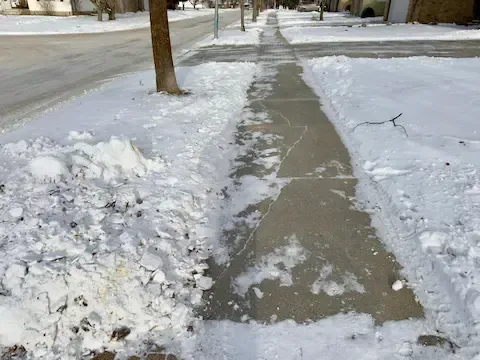
Full-width sidewalk clearing with ice melt application to keep your Hartford property compliant and safe.
Frequently Asked Questions
Lawn Care And Snow Removal can be complex, and we’re here to provide answers to common questions. Here are some frequently asked questions from our clients.
Frequently Asked Questions about Lawn Care Hartford CT
How often should I have my lawn mowed in Hartford?
Most Hartford homeowners benefit from weekly mowing during the active growing season, which runs from mid-April through late October in the Connecticut River Valley. Cool-season grasses like Kentucky bluegrass and fescue grow fastest in spring and fall, so we adjust our cutting schedule based on actual growth rates rather than a fixed calendar. During peak spring growth, your lawn may need cutting every five to six days, while midsummer heat slows things down enough that seven to ten day intervals work well.
When should I schedule snow removal service?
We recommend scheduling your first snow removal visit before the season starts so we can assess your driveway layout, identify any obstacles under the snow line, and confirm your preferred clearing times. Most Hartford residential clients set up seasonal contracts between late October and mid-November. This guarantees priority service when storms hit, because once the first nor'easter rolls through the Connecticut River Valley, availability fills up fast.
What lawn care challenges are specific to Hartford?
Hartford sits in USDA Zone 6a with heavy clay soils common throughout the Connecticut River Valley. That means your lawn needs core aeration at least once per year, ideally in early fall, to break through compacted clay and let water and nutrients reach the root zone. We also factor in Hartford's average annual rainfall and the way river valley drainage patterns affect individual properties when recommending treatment plans.
Can I bundle lawn care and snow removal together?
Absolutely. Hartford averages about 40 to 45 inches of snow each winter, and most residential clients find that bundling lawn care with snow removal saves both money and hassle. You get one team that already knows your property layout, drainage patterns, and any areas that need special attention. Seasonal transitions are seamless because we handle fall cleanup, winterization, snow removal through March, and spring recovery all under one service agreement.
What areas do you serve near Hartford?
Our service area covers Hartford and the surrounding communities including New Britain, West Hartford, Manchester, Glastonbury, and Middletown. We stay within a reasonable driving radius so our crews can respond quickly when storms hit and maintain consistent weekly schedules during the mowing season. Every property in our territory gets the same level of attention whether you are in downtown Hartford or the suburbs.
Does Hartford require sidewalk snow clearing?
Hartford property owners are required to clear sidewalks within a specified timeframe after snowfall ends under the city's municipal ordinance. Fines can add up quickly if sidewalks remain blocked, especially on streets near schools and commercial areas. Our sidewalk snow clearing service keeps you in full compliance so you never have to worry about penalties or liability from slip-and-fall incidents on your property frontage.
Need Lawn Care And Snow Removal?
What Our Satisfied Clients Have to Say About Hartford Lawn & Snow
We pride ourselves on delivering great results and experiences for each client. Hear directly from home and business owners who’ve trusted us with their Lawn Care And Snow Removal needs.

They handle our lawn all summer and our driveway all winter. Having one company that knows our property year-round makes everything simpler. The crew is always on time and the lawn looks better than it ever has.
Mark T.
I used to scramble every November finding someone to plow. Now our lawn care and snow removal are handled by the same team. They cleared our sidewalk before we even woke up during that big storm in January. Reliable is the right word.
Sarah L.
Professional crew that actually knows Hartford. They adjusted our mowing schedule for the dry spell last summer and treated our driveway edges for salt damage in spring without us asking. That attention to detail is hard to find.
James R.
The Trusted Lawn Care And Snow Removal Expert Near You
Ready to hear more about expert services at Hartford Lawn & Snow?
Contact us today to receive a detailed, no-obligation quote.

Serving Hartford and the surrounding cities
24/7
