
Lawn Care Rooted in What Manchester Properties Actually Need
Varied Terrain Creates Distinct Lawn Care Zones
Lawn conditions across Manchester vary dramatically depending on where a property sits within the town's wide geographic footprint, and that variation determines which maintenance approach will actually produce results. Homes in the Highland Park and Bowers sections occupy relatively flat, well-established residential lots where mature trees and older root systems define the maintenance equation through persistent shade and nutrient competition. Move toward the eastern side near Case Mountain, and the terrain shifts to sloped grades with rockier subsoil that drains faster but holds fewer nutrients between applications, creating a fundamentally different growing environment within the same town. Properties along the commercial corridors near Buckland Hills contend with compacted fill soils from decades of commercial development that resist root penetration without mechanical intervention like core aeration. This range of soil types and terrain profiles means a single lawn care program applied uniformly across Manchester produces uneven results — some lots get too much of what they do not need while others starve for what they do. The housing stock compounds these differences, with postwar Capes and ranches on smaller lots sitting alongside newer colonial subdivisions built on graded fill that stripped away the original topsoil during construction. Each property type carries its own turf history, irrigation patterns, and sun exposure profile that should drive service decisions rather than a calendar-based default schedule that ignores the significant property-to-property variation defining this town's residential landscape.
From Spring Thaw to First Frost — Timing Matters
The seasonal cycle in Manchester puts lawns through a wider stress range than many property owners realize until damage has already accumulated and correction becomes more expensive than prevention. Spring arrives with saturated soils from snowmelt and seasonal rain, creating conditions where heavy equipment leaves ruts and compaction that persist through the growing season if not addressed early with targeted aeration. By July, the same properties that were waterlogged in April can show drought stress as clay-heavy soils crack and pull away from foundation edges, breaking fine root hairs and leaving turf vulnerable to heat damage during the most demanding weeks of the year. Fall brings a massive leaf load from the town's dense hardwood canopy, and properties near Center Springs Park or along the Cheney Rail Trail corridor deal with leaf volumes that smother turf within days if removal timing slips past the critical window before leaves mat down and block sunlight. The transition into winter adds plowing damage, salt exposure along sidewalks and municipal roadways, and physical compression of snow loads on dormant grass crowns that cannot recover until spring temperatures arrive. Each of these seasonal events compounds the effects of the previous one — spring compaction makes summer drought worse, summer stress makes fall recovery slower, and fall neglect makes winter damage more severe. A maintenance approach that anticipates this cascade rather than reacting to each symptom individually produces substantially healthier turf with fewer emergency interventions throughout the year.
Terrain-Adapted Mowing Across Manchester Lots
Mowing across Manchester's diverse residential landscape demands equipment versatility and an understanding of how terrain shapes cutting strategy. Properties on flat lots in the Waddell and Verplanck neighborhoods lend themselves to efficient parallel passes with standard mowing decks, but the blade height still needs adjustment based on sun exposure and grass variety. Sloped yards in the Spencer and Highland Park sections require different equipment configurations to maintain safe operation while producing a clean cut on grade changes that can exceed fifteen degrees in places. Narrow side yards between closely spaced homes along older residential streets need walk-behind precision that riding equipment cannot replicate without risking turf damage from tight turning. Obstacle density also varies widely — properties with in-ground pools, play structures, garden beds, and decorative stone borders require more trimming time than open-lot homes, and that trimming time directly affects the quality of the finished result. String trimmer technique around exposed tree roots, fence posts, and utility boxes makes the difference between a sharp edge and a scalped or damaged perimeter. Every mowing pass should leave the property looking intentionally maintained, not just shortened, and that outcome depends on matching equipment, technique, and cutting parameters to the specific conditions each Manchester lot presents.
Core Aeration for Compacted Residential Soils
Soil compaction is one of the most persistent yet invisible obstacles to healthy turf across Manchester properties. Foot traffic from children and pets, the weight of seasonal equipment storage, and the pressure of vehicles parked on grass edges all compress soil particles into a dense layer that resists water infiltration and root growth. Properties built on graded fill — common in subdivisions developed from the 1980s onward — start with an inherent compaction disadvantage because the original topsoil layer was often stripped during construction and replaced with shallow fill that lacks organic matter. Core aeration addresses this by mechanically extracting small soil plugs across the lawn surface, creating channels that allow air, water, and nutrients to penetrate below the compaction barrier. The extracted cores break down on the surface over one to two weeks, redistributing soil microbes and organic material back into the turf canopy. For Manchester properties with heavy clay content, annual fall aeration produces measurable improvements in drainage and root depth within two growing seasons. Combining aeration with overseeding amplifies the return — seed-to-soil contact in the aeration holes produces germination rates that surface broadcasting simply cannot match, filling in thin areas and introducing improved turf varieties adapted to local conditions.
Custom Fertilization Programs for Manchester Lawns
Fertilization programs for Manchester properties need to reflect the significant variation in soil composition and sun exposure that exists across the town's neighborhoods. A soil test is the starting point for any effective program — applying a standard four-step package without knowing actual nutrient levels, pH, and organic matter content is functionally guessing. Sandy-loam soils found in sections east of Main Street leach nutrients faster and require more frequent but lighter applications to maintain adequate levels through the growing season. The heavier clay soils prevalent in the western neighborhoods hold nutrients longer but release them more slowly, which shifts the timing and formulation of each application. Nitrogen rates should track with expected growth patterns — higher in spring and fall when cool-season grasses are actively developing, reduced during summer heat stress when forcing top growth weakens root reserves. Potassium supplementation becomes especially important heading into winter, as it strengthens cell walls against freeze damage and improves overall cold hardiness. Properties with significant shade canopy benefit from reduced nitrogen rates paired with iron applications that maintain color without pushing leggy growth in low-light conditions. Building a fertilization program around actual soil data and observed property conditions produces the kind of consistent results that generic seasonal packages routinely fail to deliver.
Comprehensive Lawn Care And Snow Removal Services in Hartford
Tailored to Your Needs
We provide complete residential lawn care and snow removal services built for Hartford's year-round property maintenance demands. From weekly mowing and precise edging through the growing season to reliable snow plowing, sidewalk clearing, and de-icing through every winter storm, our crews deliver consistent results across all four seasons. Every service below is available individually or as part of a bundled year-round property care agreement.
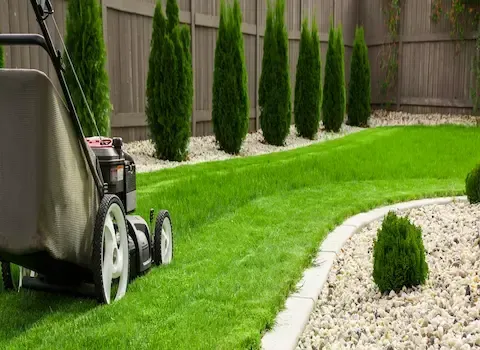
Weekly residential mowing with edging and trimming on every visit, sized for Hartford's urban and suburban lots.
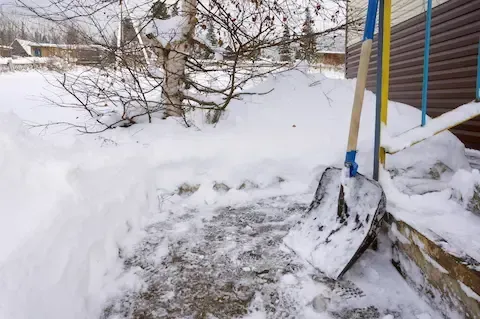
Front walkway, step, and porch clearing with ice melt treatment after every Hartford snow event.

Complete leaf removal, bed clearing, and lawn winterization to protect your Hartford property before winter.

Winter debris removal, thatch raking, and salt damage assessment to launch your Hartford growing season right.

Reliable residential snow removal with seasonal contracts and priority response through every Hartford winter storm.

Professional ice treatment for driveways, walkways, and steps using products that work at Hartford's winter temperatures.

Crisp edging along all hard surfaces and bed lines, included with every weekly mowing visit in Hartford.
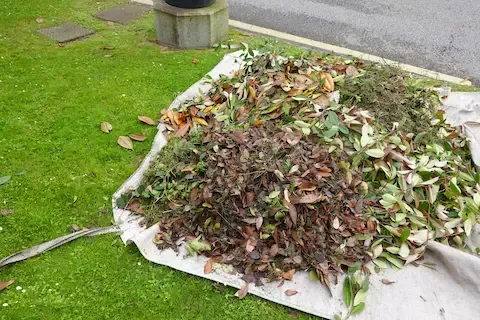
Fast removal of storm debris, fallen branches, and scattered waste from your Hartford residential property.
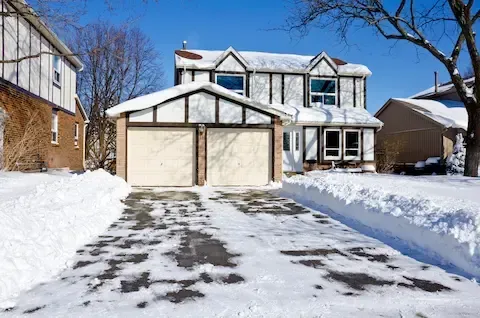
Residential driveway plowing with surface-safe equipment and pre-season property surveys for every Hartford client.
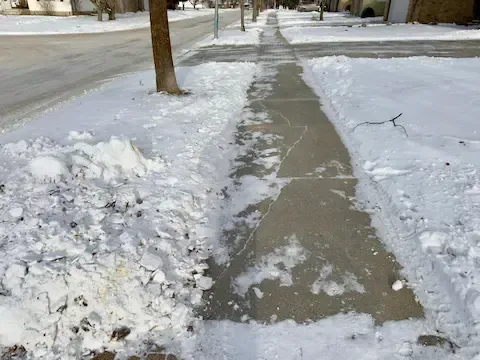
Full-width sidewalk clearing with ice melt application to keep your Hartford property compliant and safe.
Frequently Asked Questions
Lawn Care And Snow Removal can be complex, and we’re here to provide answers to common questions. Here are some frequently asked questions from our clients.
Frequently Asked Questions about Lawn Care Hartford CT
How often should I have my lawn mowed in Hartford?
Most Hartford homeowners benefit from weekly mowing during the active growing season, which runs from mid-April through late October in the Connecticut River Valley. Cool-season grasses like Kentucky bluegrass and fescue grow fastest in spring and fall, so we adjust our cutting schedule based on actual growth rates rather than a fixed calendar. During peak spring growth, your lawn may need cutting every five to six days, while midsummer heat slows things down enough that seven to ten day intervals work well.
When should I schedule snow removal service?
We recommend scheduling your first snow removal visit before the season starts so we can assess your driveway layout, identify any obstacles under the snow line, and confirm your preferred clearing times. Most Hartford residential clients set up seasonal contracts between late October and mid-November. This guarantees priority service when storms hit, because once the first nor'easter rolls through the Connecticut River Valley, availability fills up fast.
What lawn care challenges are specific to Hartford?
Hartford sits in USDA Zone 6a with heavy clay soils common throughout the Connecticut River Valley. That means your lawn needs core aeration at least once per year, ideally in early fall, to break through compacted clay and let water and nutrients reach the root zone. We also factor in Hartford's average annual rainfall and the way river valley drainage patterns affect individual properties when recommending treatment plans.
Can I bundle lawn care and snow removal together?
Absolutely. Hartford averages about 40 to 45 inches of snow each winter, and most residential clients find that bundling lawn care with snow removal saves both money and hassle. You get one team that already knows your property layout, drainage patterns, and any areas that need special attention. Seasonal transitions are seamless because we handle fall cleanup, winterization, snow removal through March, and spring recovery all under one service agreement.
What areas do you serve near Hartford?
Our service area covers Hartford and the surrounding communities including New Britain, West Hartford, Manchester, Glastonbury, and Middletown. We stay within a reasonable driving radius so our crews can respond quickly when storms hit and maintain consistent weekly schedules during the mowing season. Every property in our territory gets the same level of attention whether you are in downtown Hartford or the suburbs.
Does Hartford require sidewalk snow clearing?
Hartford property owners are required to clear sidewalks within a specified timeframe after snowfall ends under the city's municipal ordinance. Fines can add up quickly if sidewalks remain blocked, especially on streets near schools and commercial areas. Our sidewalk snow clearing service keeps you in full compliance so you never have to worry about penalties or liability from slip-and-fall incidents on your property frontage.
Need Lawn Care And Snow Removal?
What Our Satisfied Clients Have to Say About Hartford Lawn & Snow
We pride ourselves on delivering great results and experiences for each client. Hear directly from home and business owners who’ve trusted us with their Lawn Care And Snow Removal needs.

They handle our lawn all summer and our driveway all winter. Having one company that knows our property year-round makes everything simpler. The crew is always on time and the lawn looks better than it ever has.
Mark T.
I used to scramble every November finding someone to plow. Now our lawn care and snow removal are handled by the same team. They cleared our sidewalk before we even woke up during that big storm in January. Reliable is the right word.
Sarah L.
Professional crew that actually knows Hartford. They adjusted our mowing schedule for the dry spell last summer and treated our driveway edges for salt damage in spring without us asking. That attention to detail is hard to find.
James R.
The Trusted Lawn Care And Snow Removal Expert Near You
Ready to hear more about expert services at Hartford Lawn & Snow?
Contact us today to receive a detailed, no-obligation quote.

Serving Hartford and the surrounding cities
24/7
