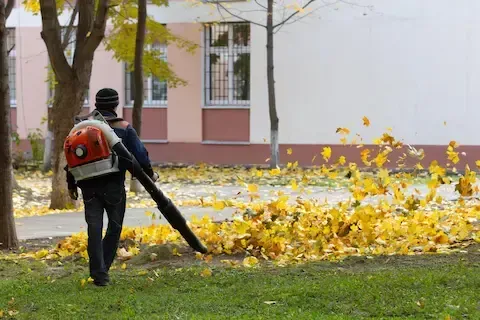
When Should I Schedule Fall Cleanup in Hartford CT?
The best time to schedule fall cleanup in Hartford CT is between late October and early November. Wait until oak and maple trees have dropped the majority of their leaves — typically after the first hard frost in mid to late October — but complete the work before a hard freeze sets in and the ground hardens. Scheduling too early means raking the same yard twice. Scheduling too late risks leaving matted leaves on your lawn through winter, which smothers grass and invites disease. Most Hartford homeowners find the last two weeks of October hit the right window.
Why Does Timing Matter for Fall Cleanup in Hartford?
Hartford sits in USDA Hardiness Zone 6b, which means first frost typically arrives in mid-October and the ground can freeze solid by late November. That window between first frost and hard freeze is your prime cleanup time. Leaves that stay on a lawn past Thanksgiving tend to mat down under rain and snow, blocking sunlight and airflow to the grass below. That matting leads to snow mold, turf disease, and patchy lawns come spring. Getting the timing right protects the investment you've made in your lawn all season long.
When Do Hartford Trees Actually Finish Dropping Leaves?
Not all trees shed on the same schedule, and Hartford neighborhoods vary. Red maples along Asylum Avenue and in West Hartford tend to drop early, often by mid-October. Oak trees — common throughout Blue Hills and Parkville — hold their leaves well into November. If your yard has a mix of tree species, expect a staggered drop that stretches from early October through early November. Rather than doing one massive cleanup at the end, many Hartford homeowners schedule a mid-October pass for maples and a follow-up in late October or early November once oaks finish. That two-pass approach keeps the yard manageable and prevents compacted leaf layers from forming.
What Happens If You Schedule Cleanup Too Early?
If you schedule your fall cleanup before the bulk of leaf drop is complete, you'll likely end up doing the job twice. In Hartford, scheduling before mid-October means oak and ginkgo trees still have most of their canopy intact. You clear the yard, and within two weeks it's covered again. That's wasted time and money. The exception is a quick early-season pass to clear heavy early drops from maples or any storm debris — but that should be treated as a light interim service, not your primary fall cleanup.
What Happens If You Wait Too Long?
Delaying cleanup past mid-November in Hartford creates a different problem. Once temperatures drop consistently below freezing, leaves become saturated, heavy, and difficult to move. They start to break down and bond to the lawn surface. Equipment has trouble collecting them cleanly. More importantly, the damage to your turf begins immediately — matted leaves block the sunlight your grass needs for its final growth and energy storage before dormancy. Fall Cleanup completed before that hard freeze locks in gives your lawn the best chance of a clean, healthy emergence in spring.
How Do Local Weather Patterns Affect the Schedule?
Hartford's weather doesn't follow a perfectly predictable pattern year to year. Some seasons bring early hard frosts in late September; others stay mild into November. Watching a few key indicators helps you nail the timing without guessing. First, watch for the majority of oak canopy drop — once you see more than 70 percent of oak leaves down in your yard, the window is open. Second, check the 10-day forecast for overnight lows consistently below 28°F. That's your signal that cleanup needs to happen within the next week or two. Using a local resource like the fall cleanup checklist can help you track exactly what tasks need to happen before that freeze arrives.
Should You Schedule One Cleanup or Two?
For most Hartford properties with mixed tree coverage, two passes make more practical sense than one. A first pass in mid-October handles early maple and birch drop and clears debris before it can mat. A second pass in late October or early November catches the remaining oak and ash leaves. If your yard is dominated by oaks — common in the Blue Hills neighborhood and along Farmington Avenue — a single well-timed late October cleanup often works fine. Properties with mostly maples or open lawns with minimal tree cover can usually manage a single mid-October service. Ask your landscaper which approach fits your specific yard.
What Tasks Should Be Included in a Fall Cleanup?
Scheduling the right date matters, but so does making sure the service covers everything your lawn needs before winter. A complete fall cleanup in Hartford should include leaf removal from turf and beds, cutting back spent perennials, clearing gutters of accumulated debris, removing annual plants from garden beds, and a final check for any storm damage or low-hanging branches. Some homeowners also schedule aeration and overseeding during the same visit in early October before soil temperatures drop below 50°F, which is the threshold for effective seed germination in Connecticut.
