Driveway Edging Repair for Hartford CT Asphalt Yards
Your Hartford driveway takes a beating every winter, and nowhere is this more apparent than along the edges where asphalt meets lawn. Snow plows scrape away grass and soil, creating unsightly gaps that allow salt and debris to penetrate deeper into your landscape. This damage doesn't just look bad – it compromises the structural integrity of your driveway's border and can lead to costly repairs if left unaddressed.
Understanding Hartford Driveway Edge Damage
The freeze-thaw cycles common in Hartford create unique challenges for driveway edging. When snow plows push salt-laden snow against your driveway's edge, the combination of mechanical scraping and chemical damage weakens the grass line. The salt penetrates the soil, making it difficult for grass to regrow naturally. Meanwhile, the exposed edge becomes vulnerable to water infiltration, which can undermine the asphalt's foundation over time.
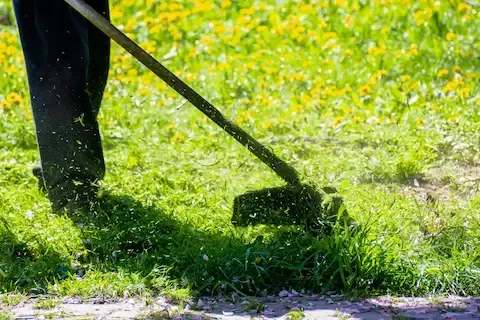
Professional Edging And Trimming services address both the immediate aesthetic concerns and the long-term structural issues. The process involves removing damaged soil and grass, installing proper edging materials, and establishing new grass growth in a controlled manner that can withstand future winter conditions.
Connecticut's clay-heavy soil presents additional complications. When saturated with snowmelt and salt, clay soil becomes highly unstable and prone to erosion. This makes proper drainage and soil amendment crucial components of any driveway edge repair project in the Hartford area.
Common Driveway Edge Problems
Most Hartford homeowners notice edge damage in early spring when snow melts reveal the winter's destruction. Typical problems include bare soil strips where grass once grew, uneven transitions between lawn and pavement, and small potholes or cracks where the asphalt edge has begun to crumble.
Salt damage extends beyond the visible edge, often affecting grass several feet into the lawn. The white residue you see on grass blades in spring indicates salt burn, which requires specific treatment to restore healthy growth. Simply reseeding over salt-damaged soil rarely produces lasting results.
Water pooling along damaged edges signals drainage problems that need immediate attention. Standing water accelerates both salt penetration and frost damage, creating a cycle of deterioration that worsens each year without intervention.
Repair Timing and Seasonal Considerations
Late spring through early fall represents the optimal window for driveway edge repair in Hartford. The soil needs to dry out completely from winter moisture, but grass establishment requires sufficient growing season to develop strong roots before the next winter.
May through September offers the best conditions for comprehensive repairs. This timeframe allows for proper soil preparation, amendment installation, and grass establishment. Quality edging and trimming work completed during this period creates durable edges that can withstand Connecticut's harsh winters.
Emergency repairs can be performed in early spring, but temporary solutions may be necessary until conditions improve for permanent restoration. The key is preventing further damage while planning comprehensive repairs for optimal timing.
Spring Assessment Period
March and April in Hartford provide the first opportunity to assess winter damage, but soil conditions usually remain too wet for major repair work. Use this time to document damage areas and plan repair priorities. Remove any debris accumulated along edges and clear drainage channels to prevent standing water.
Early assessment helps identify which areas need immediate stabilization versus those that can wait for ideal repair conditions. This planning phase ensures efficient use of the optimal repair window when it arrives.
Professional Repair Methods
Effective driveway edge repair involves multiple coordinated steps. First, damaged soil and vegetation must be completely removed to a depth that reaches stable, unsalted soil. This often means excavating 6-8 inches below the surface in heavily damaged areas.
Soil amendment comes next, with pH adjustment being particularly important after salt exposure. Hartford's naturally acidic soil becomes even more challenging for grass growth after salt contamination. Professional services test soil chemistry and add appropriate amendments to restore healthy growing conditions.
Proper edging material installation creates a permanent barrier between lawn and pavement. This prevents future plow damage while providing clean lines that enhance your property's appearance. The material choice depends on your driveway's slope, drainage patterns, and aesthetic preferences.
Grass Establishment Techniques
Successful grass establishment along repaired edges requires specialized seeding techniques adapted to the harsh conditions near pavement. Salt-tolerant grass varieties perform better in these locations, and proper soil preparation ensures strong root development.
Temporary irrigation may be necessary during the establishment period, as pavement edges tend to dry out faster than other lawn areas. Professional services often install temporary watering systems to ensure consistent moisture during the critical germination period.
Preventing Future Damage
Long-term success requires proactive measures to minimize future winter damage. This includes selecting appropriate grass varieties, maintaining proper drainage, and creating physical barriers that redirect plow damage away from vulnerable areas.
Regular maintenance of repaired edges extends their lifespan significantly. Annual inspection and minor repairs cost far less than complete reconstruction every few years. Professional maintenance programs often include edge inspection as part of comprehensive lawn care services.
Communication with snow removal services helps reduce accidental damage. Marking edge locations and discussing plow techniques with your snow removal contractor protects your investment in edge repairs.
Cost Considerations for Hartford Homeowners
Driveway edge repair costs vary based on damage extent and repair method chosen. Simple reseeding of lightly damaged areas costs significantly less than complete soil replacement and edging installation. However, investing in comprehensive repairs often proves more economical long-term by preventing recurring damage.
Factor in the cost of potential driveway structural damage when evaluating repair options. Edge damage that allows water infiltration can undermine asphalt foundations, leading to expensive driveway replacement projects. Proper edge repair protects this larger investment.
Many Hartford area property management companies budget for annual edge maintenance as part of their landscape programs. This approach spreads costs over time while maintaining consistently attractive property edges.
Working with Hartford Area Professionals
Selecting experienced local contractors familiar with Hartford's specific soil and climate conditions ensures better results. Local professionals understand which grass varieties thrive in Connecticut's climate and which repair methods withstand local winter conditions.
Quality contractors provide detailed assessments before beginning work, explaining damage causes and prevention strategies. They should offer warranties on their work and maintenance recommendations to extend repair longevity.
Proper licensing and insurance protect homeowners during repair projects. Verify contractor credentials and request references from recent Hartford area projects to ensure quality workmanship.
