Edging and Trimming Hartford CT: Year Round Lawn Care
A cleanly edged lawn in Hartford, CT does more for curb appeal than almost any other single maintenance task. The difference between a yard that looks professionally maintained and one that just looks mowed often comes down to whether someone took the time to define the edges. When grass bleeds over sidewalks, creeps into garden beds, or feathers out along the driveway apron, the entire property looks unkempt regardless of how green or thick the turf might be. Edging and trimming are the finishing details that make every mowing visit count.
What Edging and Trimming Actually Do for Your Lawn
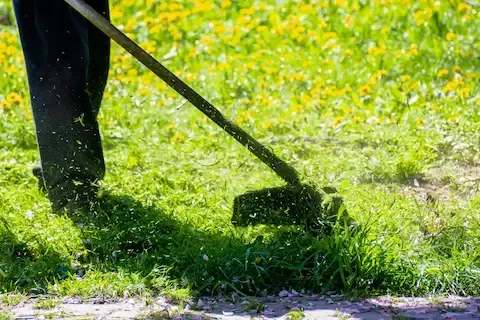
These two tasks are closely related but serve distinct purposes. Edging creates a clean vertical separation between turf and hard surfaces like concrete sidewalks, asphalt driveways, and paver patios. A rotary edger or stick edger cuts a crisp line down through the grass at the boundary, removing the lateral growth that migrates onto pavement over time. Trimming, by contrast, uses a string trimmer to cut grass in areas that a mower deck cannot reach — along fence lines, around trees, beside utility boxes, and under low-hanging shrubs.
Together, these tasks complete the picture that a mower starts. A mower covers the field. Edging and trimming finish the frame. When both are done consistently, the lawn holds its definition from week to week, and each new mow visit produces a result that looks intentional rather than just adequate.
Why Hartford's Climate Drives an Extended Trimming Season
Hartford sits in a transitional climate zone where the lawn care season runs from roughly late April through early November. Cool-season grasses like Kentucky bluegrass, fine fescue, and perennial ryegrass dominate most Hartford yards, and these species grow most aggressively in spring and early fall when temperatures stay between 60 and 75 degrees. That growth pattern means edging and trimming are not occasional tasks — they are weekly obligations during peak growing months.
In May and early June, grass along edges can advance an inch or more per week. By mid-July, heat stress usually slows vertical growth, but lateral stolon creep continues along concrete and hardscape. September triggers a second flush of growth that rivals spring in intensity. Any homeowner trying to maintain a defined lawn through that full cycle quickly learns that skipping even a single trimming visit allows encroachment that takes two or three sessions to fully correct.
Connecticut's spring rainfall patterns compound this. Hartford averages around 44 inches of precipitation annually, with spring being particularly wet. Moist soil encourages rapid lateral grass spread along edges, which means lawns that look sharp in April can develop ragged borders by late May without regular attention.
The Right Tools for Edging Work in Hartford
For homeowners managing their own property, tool selection matters more than many people realize. A half-moon manual edger works on properties where the edge lines are already established and only need light maintenance. For overgrown edges or newly defined beds, a rotary stick edger — either gas or battery-powered — cuts faster and more consistently.
String trimmers handle everything a mower misses, but technique matters as much as equipment. Running a trimmer too aggressively against a tree trunk damages bark and can eventually girdle the tree. Trimming too high along fences leaves a ragged fringe. The goal is to cut to roughly the same height as the mowed turf without scalping, digging into soil, or swinging the head erratically.
Battery-powered equipment has improved substantially and now handles most residential properties in the Hartford area without the noise and emissions of gas equipment. For larger properties or commercial work in Hartford neighborhoods like Blue Hills or Asylum Hill, professional-grade gas equipment still delivers faster cycle times and more consistent power under load.
Establishing Edge Lines in Established Hartford Yards
One of the most common situations on older Hartford properties is dealing with edges that have never been properly defined or that have been neglected for years. In these cases, the grass doesn't just overhang the sidewalk — it has physically grown over it, sometimes two to four inches. Reclaiming those edges is heavier work than routine maintenance and typically requires multiple passes with a sharp edger and manual cleanup of the cut material.
When reestablishing edges around garden beds, the standard approach is to cut a trench roughly two to three inches deep along the bed perimeter at a slight inward angle. This creates a physical barrier that slows reinvasion and gives the bed a clean, intentional look. In Hartford's clay-influenced soils, particularly in neighborhoods like Parkville and Frog Hollow, this initial cut takes more effort than it would in sandier soils, but the results hold longer once established.
After the initial edging pass, consistent weekly or biweekly maintenance keeps those lines sharp without the heavy labor of reclamation. This is why starting a regular Edging And Trimming program early in the season pays off — the cumulative effort stays low when edges are maintained from the start rather than allowed to deteriorate between sporadic visits.
Trimming Around Hardscape, Trees, and Structures
Every Hartford yard has its own collection of obstacles that require careful trimming technique. Common examples include chain-link and wooden fences, raised garden bed borders, mailbox posts, downspouts, stone walls, and the concrete aprons where driveways meet the street. Each of these requires a slightly different approach.
Along fences, the trimmer head should run parallel to the fence line, not perpendicular to it. Cutting at the right height prevents both scalping and the fuzzy overhang that makes a fence line look messy. Around trees, many professionals use a light touch — cutting just enough to match the surrounding turf height without contacting the trunk. A defined mulch ring around the tree makes trimming faster and protects the bark at the same time.
Driveways and sidewalks in Hartford are often bordered by concrete with slight gaps where grass roots can establish. These cracks require attention during edging visits to prevent grass from anchoring in and lifting sections of pavement over time. Regular edging removes the pioneer growth before it becomes a structural concern.
Edging as Part of a Full Lawn Care Routine
Edging and trimming don't exist in isolation — they work best when coordinated with mowing, fertilization, and seasonal cleanup. Understanding how clipping management fits into the overall program also matters. Whether you're mulching versus bagging clippings affects how clean the finished edges look after each visit, since mulched clippings can drift toward edges and create a layered appearance if trimming isn't done after the mow.
Timing within the visit matters too. Professional crews typically mow first, then edge and trim, then blow off hard surfaces. This sequence ensures that loose material from trimming gets cleaned up rather than left on the sidewalk or driveway. Homeowners managing their own care sometimes reverse this order, which works but requires a second pass with the blower after trimming sends debris back onto the pavement.
Fertilization scheduling in Hartford also ties into how aggressively you need to edge. A heavy nitrogen application in early May will push growth rates up sharply, which means edges that looked sharp on a Monday may look overgrown by Friday. Understanding how your fertilization program affects growth velocity helps you anticipate when more frequent trimming visits are needed versus when you can stretch to a ten-day interval.
Seasonal Transitions and End-of-Season Edging
In the Hartford area, the lawn care season winds down in late October and November as temperatures drop and cool-season grass goes into dormancy. The final mowing visits of the season are a good time to make sure edge lines are clearly defined heading into winter. Clean edges prevent matted grass from creating a thatch problem at the margins of beds and hardscape.
Spring startup is equally important. After a Connecticut winter, edge lines often look soft even if they were sharp the previous fall. Frost heave, leaf pack, and winter sand from road treatment can all soften boundaries. The first edging visit of the spring season is often more intensive than a standard maintenance pass — essentially a recalibration before the regular program begins.
For properties with garden beds along the front walk or driveway, late April or early May edging sets the tone for the whole season. Neighbors and visitors form impressions quickly, and a property in a Hartford neighborhood with crisp edge lines from the first warm weeks of the year maintains a level of visual quality that's hard to achieve if you wait until June to get started.
When to Call a Professional for Hartford Trimming Work
Some Hartford properties are straightforward enough that a motivated homeowner can handle their own edging and trimming throughout the season. But larger properties, complex layouts with extensive beds and hardscape, or properties where time constraints make weekly visits impractical are all good candidates for professional lawn care.
Professional crews bring consistent technique, sharp equipment, and a reliable schedule that removes the decision fatigue from lawn maintenance. In Hartford's busier neighborhoods — from West End to Shelbourne Street — professional services allow homeowners to maintain curb appeal without investing their own weekend hours into the work. The visual result is a property that holds its definition through the full growing season, from the first spring flush through the last fall mow, without the gaps that come from inconsistent DIY scheduling.
