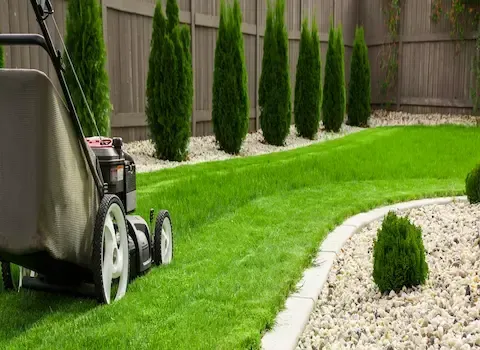
Summer Mowing Schedule for Hartford CT Heat Stress
Hartford summers hit differently than a mild New England spring. Once July arrives and daytime temperatures push past 85 degrees, the cool-season grasses that make up most Hartford lawns — Kentucky bluegrass, tall fescue, and perennial ryegrass — shift into a survival mode called summer dormancy. During this period, your grass is not growing aggressively, it is conserving moisture and protecting its root system from heat stress. The mowing schedule that worked fine in May will actively damage your lawn if you carry it unchanged into the hottest weeks of the season. Adjusting your approach is not optional — it is the difference between a lawn that recovers well in September and one that spends the fall fighting bare patches and fungal damage.
Understanding Heat Stress in Hartford Lawns
Cool-season turfgrass thrives between 60 and 75 degrees Fahrenheit. When soil temperatures in the Greater Hartford area climb above 80 degrees — which typically happens by mid-July — root activity slows dramatically. The grass plant stops pushing new blade growth and redirects whatever energy it has into protecting the crown, which is the growing point just above the soil line.
When you mow stressed grass too short or too frequently, you remove the blade surface the plant needs to capture sunlight and photosynthesize. The result is a weakened root system, increased susceptibility to drought, and entry points for fungal diseases like brown patch, which spreads rapidly in Hartford's humid summer conditions. Understanding this biology is the foundation of every scheduling decision you will make from late June through August.
When to Raise Your Mowing Deck
The single most protective adjustment you can make entering summer is raising your mower deck. During the spring and fall growing seasons, mowing cool-season grass at 3 to 3.5 inches is standard. Once daytime highs consistently exceed 85 degrees in Hartford, raise your cutting height to 3.5 to 4 inches.
Taller blades shade the soil surface, reducing moisture evaporation and keeping root-zone temperatures lower. They also provide more leaf surface for photosynthesis at a time when the plant is under stress. Think of the extra height as insulation. Lawns mowed tall during a Hartford heat wave hold up noticeably better than lawns kept short, and they require less supplemental irrigation to stay green.
Do not drop back to a shorter setting until nighttime temperatures consistently fall below 65 degrees, which in Hartford typically happens in mid to late September.
Adjusting Your Mowing Frequency in Summer
In spring, mowing every five to seven days makes sense because grass is actively growing. During Hartford's peak summer heat, that schedule becomes too aggressive. Stressed grass that is not growing quickly does not need weekly cutting — and forcing it does real damage.
Shift to a seven to ten day interval once heat stress sets in. Let the grass tell you when it needs cutting by following the one-third rule: never remove more than one-third of the blade height in a single mowing. If your target height is 4 inches, do not mow until the grass reaches about 5.5 to 6 inches. If the lawn has not grown that much in a week, wait another few days.
This is not neglect — it is precision timing that aligns your maintenance schedule with the actual growth rate of the plant. year round lawn mowing strategies cover how this principle shifts again as fall arrives and growth rates pick back up.
The Right Time of Day to Mow in Hartford Summers
Heat stress during a mow is real. When you cut grass at 2 in the afternoon on a 92-degree Hartford day, you are exposing fresh cut ends to peak sun and heat at the exact moment the plant is most vulnerable. Moisture loss through those cut surfaces spikes, and the grass struggles to seal the wounds it would normally recover from quickly.
Early morning mowing — before 10 a.m. — is the best window. Temperatures are lower, dew has usually dried off enough to avoid clumping, and the grass has the rest of the day to begin recovering before nighttime. Evening mowing after 5 p.m. is the second-best option in terms of temperature, but it leaves cut grass wet overnight, which significantly increases the risk of fungal disease in Hartford's humid summer air.
If you are scheduling a professional crew, request morning slots specifically during July and August. The timing difference genuinely matters for lawn health.
Blade Sharpness and Clipping Management in Summer
A dull mower blade tears grass rather than cutting it cleanly. Torn ends brown faster, allow more moisture to escape, and create larger entry wounds for pathogens. During summer, when the grass is already under stress, dull blades accelerate decline noticeably. Sharpen your mower blade at least once mid-season — more often if you are mowing a large Hartford property with sandy or stony soil that dulls the blade faster.
On clippings: during summer heat, leave short clippings on the lawn when possible. They decompose quickly, return small amounts of moisture and nitrogen to the soil, and reduce the need for supplemental fertilization. However, if clippings are long or clumping because you waited too long between cuts, rake or bag them. Clumps sitting on the lawn in humid Hartford summers block airflow and create ideal conditions for brown patch and dollar spot to develop underneath.
Irrigation Coordination With Your Mowing Schedule
Your mowing schedule and irrigation schedule need to work together. The goal is to mow on days when the lawn has been watered recently enough that the soil is not bone dry, but the blades themselves are dry at the time of cutting. Wet blades clump, cut unevenly, and promote fungal spread as you drag the mower across the lawn.
In Hartford, where summer rainfall can be inconsistent, aim to water two to three times per week with deep, infrequent cycles rather than light daily sprinkling. Water early in the morning. Mow on a day when watering happened the previous morning — grass is hydrated and resilient, but surface moisture has dried. Avoid mowing immediately after a heavy rain or on the same morning you irrigate.
Recognizing When to Call a Professional
Sometimes heat stress damage moves faster than adjustments can compensate for. If you notice large irregular tan or brown patches spreading across your Hartford lawn in July or August, that may indicate brown patch fungus or a more significant drought stress event that home mowing adjustments alone will not fix.
Professional Lawn Mowing services operating in Hartford understand local soil conditions, the specific grass varieties common to the area, and the timing patterns of Connecticut's summer weather. A professional assessment can determine whether fungal treatment, aeration, or modified irrigation is needed alongside your adjusted mowing schedule — saving you from compounding the problem through continued DIY attempts during peak stress weeks.
Getting your summer mowing schedule right in Hartford is not complicated, but it does require deliberate adjustments at the right time. Raise the deck, stretch the interval, mow in the morning, and keep your blade sharp. Your lawn will come out of the summer heat in far better condition to thrive through fall and into the following spring season.
