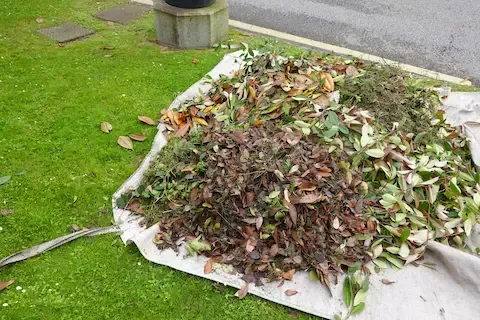
Storm Debris Removal After Hartford CT Nor'easters
Nor'easters hit Hartford differently than your average late-fall windstorm. The combination of saturated soil, heavy wet snow, and sustained gusts that define a true nor'easter creates a specific kind of property damage — snapped limbs mid-trunk, uprooted shallow-rooted trees, matted leaf debris fused under ice, and lawn areas compressed under debris weight for days. Cleaning up after one of these storms is a multi-step process that requires more than just raking and hauling. Understanding the sequence matters if you want to protect your lawn, avoid safety hazards, and get your property back to normal without creating new problems in the process.
What Makes Nor'easter Debris Different from Routine Storm Cleanup
A standard summer thunderstorm might drop a few branches and scatter lighter debris across your yard. A nor'easter produces a different category of mess. The heavy, wet snow that typically accompanies these storms in Hartford and the surrounding Capitol Region weighs significantly more than dry powder — sometimes eight to twelve times more per cubic foot. That weight snaps branches that would have bent through a summer storm, and it brings them down onto fencing, garden beds, walkways, and turf.
Ice accumulation compounds the problem. When freezing rain precedes or follows snowfall, branches and limbs become encased, and the thaw-refreeze cycle common in Connecticut winters can keep debris frozen to the ground surface for days. By the time you can safely access the yard, that debris has already begun to smother turf beneath it. The longer it sits, the more recovery your lawn will need once spring arrives.
There's also the soil factor. Hartford's clay-heavy soils retain moisture well into late fall, and nor'easters typically arrive when ground saturation is high. That means even trees that appeared healthy can topple when root systems lose their grip. Root ball removal and ground-level stump assessment are often part of the debris work after a significant storm — not just limb collection.
Starting with Safety Triage Before Any Cleanup
The first priority after a nor'easter isn't hauling — it's hazard identification. Before you or anyone else moves through your yard, you need to account for a few specific risks that are common in Hartford-area storm events.
- Hanging limbs: Called "widow-makers" for a reason, these are branches that are broken but still suspended in the canopy. They can fall hours or days after the storm without warning.
- Downed utility lines: Ice and branch weight regularly bring down power lines during nor'easters throughout Connecticut. Never assume a downed line is de-energized.
- Hidden hazards under snow: Debris buried under heavy wet snow can include sharp branches, shifted retaining structures, or displaced landscape edging that becomes a tripping and injury risk.
- Compromised fencing: Panel sections bent or knocked over by fallen limbs can be invisible under snow cover and create an unexpected gap hazard for children or pets.
Walk the perimeter of your property carefully before beginning any physical cleanup. If you identify hanging limbs in the canopy of mature trees, those require professional removal before ground debris can be safely addressed below them.
The Right Sequence for Full Property Debris Removal
Once the hazard triage is complete, nor'easter cleanup generally follows a logical sequence that moves from structural to surface to detail work.
Large limb removal comes first. Any fallen wood over a certain diameter needs to be cut, staged, and hauled before lighter debris work begins. Working out of sequence — raking while large limbs still need to be maneuvered — wastes time and risks compressing turf further under foot traffic.
After structural debris is staged or removed, surface clearing addresses smaller branches, matted leaves, and any debris that has bonded to the ground under ice. In Hartford, this often means working in sections as the ground thaws, since attempting to rake or blow frozen debris tears turf rather than clearing it.
Hauling follows clearing. Debris volume after a significant nor'easter often exceeds what standard collection can handle, which means coordinating either bulk hauling or chipping of woody material on site. The Debris Cleanup process should account for the full volume — not just what fits in bags or bins.
The final phase is a lawn damage assessment. Look for areas of prolonged compression, bare patches where debris smothered turf, and any ruts or gouges created during cleanup. Documenting these areas matters for planning spring lawn restoration.
Common Mistakes Hartford Homeowners Make After a Nor'easter
Rushing the cleanup is the most frequent mistake. When roads clear and temperatures rise after a nor'easter, there's a natural impulse to get the yard back to normal immediately. But working on saturated turf with heavy equipment — even a loaded wheelbarrow — creates ruts that take months to level. Patience in the first day or two after the storm saves significant remediation work later.
Ignoring buried debris under snow is another common error. Hartford residents often clear visible surface snow and consider the job done, not realizing that organic debris matted under the snowpack is continuing to damage the turf underneath. A full surface inspection once the snow melts is worth the extra hour of walkthrough.
Attempting to remove large hanging limbs without the right equipment creates serious safety risk. This isn't a ladder-and-handsaw task. Nor'easter-damaged limbs are under tension in unpredictable directions, and improper removal can send heavy wood falling in the wrong direction entirely.
Finally, many homeowners skip the post-cleanup lawn assessment and are surprised when bare or compacted areas don't recover on their own by mid-spring. Identifying problem areas early allows for targeted aeration, overseeding, or topdressing before the growing season is underway.
Planning Ahead for Future Storms in the Hartford Area
The Capitol Region typically sees at least one or two significant nor'easters per season, with the period from late October through late March being the primary risk window. Residents in Hartford neighborhoods with mature tree canopy — Parkville, West End, and Asylum Hill all have significant older tree stock — should expect more debris after major storms than newer-construction areas with younger, smaller plantings.
A few practical preparation steps help reduce cleanup scope after future storms. Having an arborist assess mature trees for weak attachment points or co-dominant leaders before storm season reduces the volume of storm-produced debris. Keeping leaf accumulation low before the first major snowfall prevents matting problems that compound debris damage to turf beneath.
For comprehensive coverage of how debris management fits into your overall lawn care cycle, the guide to year round debris cleanup covers seasonal timing and property maintenance across all four Connecticut seasons. Nor'easter recovery is one phase of that full-year approach, and connecting it to your broader lawn care calendar makes the spring recovery process considerably more manageable.
