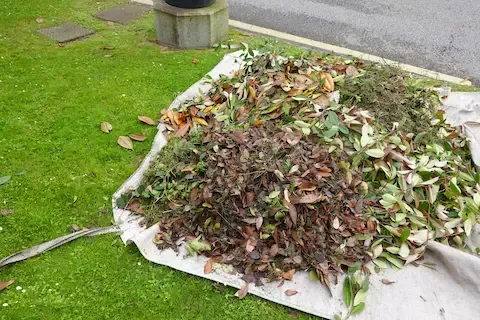
Branch and Limb Cleanup on Hartford CT Residential Lots
Fallen branches and downed limbs are a persistent reality on Hartford residential lots, especially after the wind events and ice storms that roll through the Connecticut River valley each season. Whether you're dealing with the aftermath of a single overnight blow or a slow accumulation of debris from aging oaks and maples, the cleanup process matters more than most homeowners expect. Leaving broken wood scattered across turf and garden beds doesn't just look neglected — it creates conditions that actively work against your lawn's health, your drainage patterns, and even your property's long-term safety.
Why Branch Debris on Hartford Lots Causes Real Problems
Hartford's tree canopy is dominated by large deciduous species — red oak, sugar maple, Norway maple, and silver maple — all of which shed significant wood during storm events. When a limb drops onto turf and sits for more than a few days, the material beneath it begins to mat down grass blades, blocking sunlight and airflow. In warm, humid conditions, that's enough to kill turf in patches that take the rest of the season to recover. In cooler temperatures, wet wood pressed against the ground creates ideal habitat for fungal growth.
Beyond the grass damage, branches that fall across low points in a yard can disrupt the sheet drainage patterns that move water away from foundations. Hartford lots, especially in neighborhoods like West End, Blue Hills, and Parkville, often have subtle grade changes engineered to route runoff. A pile of downed limbs sitting across that path doesn't have to be large to create pooling — and pooling near a foundation is a maintenance problem that compounds over time.
What Qualifies as Branch and Limb Cleanup
Not all debris removal is the same, and it's worth understanding what the scope of this work actually involves on a typical Hartford residential lot. Branch and limb cleanup covers material that has already separated from the tree — wood on the ground, not work performed on standing trees. That distinction matters because it determines who should do the work and what equipment is needed.
Cleanup typically involves gathering scattered small branches, sectioning larger limbs into manageable lengths, clearing debris from lawn areas, garden beds, and fence lines, and then either chipping the material on-site or hauling it off the property for disposal. On larger Hartford lots with mature canopy, a significant storm can leave behind several hundred pounds of material. Trying to manage that volume with a single trash bin and a handsaw is a weekend-consuming project that still often leaves the yard looking half-finished.
For ongoing maintenance between major events, Debris Cleanup services handle the steady accumulation of smaller material — twigs, bark, and branch tips — that builds up in lawn edges and planting beds throughout the growing season and into fall.
Storm Damage Scenarios Common in Hartford
Connecticut's storm patterns mean Hartford homeowners should expect branch debris events several times per year. Late summer thunderstorm lines push through the Hartford area with enough straight-line wind to snap significant limbs from otherwise healthy maples. Ice events in late fall and early spring are particularly destructive — silver maples and Norway maples both hold leaf mass late into the season, which increases the surface area available for ice accumulation. A modest ice storm can load branches well past their structural limit, and the failures often happen overnight or in the early morning hours.
The aftermath of a widespread event creates an additional challenge: debris removal services book up quickly, and waiting several days means the debris starts to compact and settle into your turf. Bark pressed into wet ground becomes difficult to rake clean without pulling grass roots. Acting within 48 to 72 hours of a storm makes the cleanup measurably easier and reduces secondary lawn damage.
Preparing Your Lot Before Cleanup Begins
If you're working with a crew or doing the job yourself, a few steps before the actual debris removal make the process faster and more thorough. Walk the full perimeter of the property first, including fence lines, along the foundation, and into any corner beds or areas where smaller material tends to accumulate. Hartford yards with dense plantings often have branch debris buried two or three layers deep in the leaf litter — it doesn't show from a quick visual pass.
Mark or flag anything that you want preserved, including ornamental plantings that look like debris but aren't, and any stakes or edging materials at ground level that could be damaged by a chipper or by someone dragging large limbs across the surface. Communication before the crew starts prevents most of the common mistakes that lead to avoidable plant damage during cleanup operations.
Disposal and What Happens to the Wood
Debris from Hartford residential lots typically follows one of three paths: chipped on-site and left as mulch material, hauled to a transfer station or composting facility, or bundled for curbside pickup where the city allows it. Hartford's yard waste collection program accepts brush and branches during designated seasonal periods, but there are size restrictions — bundled material generally needs to be cut to manageable lengths and tied for pickup. Oversized limbs from storm events often fall outside what curbside collection handles, which means hauling is necessary.
For homeowners interested in a broader approach to keeping their property clear across seasons, understanding year round debris cleanup strategies helps connect the individual events — like post-storm branch removal — to a consistent maintenance rhythm that prevents accumulation from getting ahead of you.
When to Call for Professional Help
The threshold for bringing in a crew is lower than many Hartford homeowners assume. If the total debris volume exceeds what fits in two standard-sized trash containers, if any of the branches are over four inches in diameter, or if the material is tangled into plantings or structures, professional handling saves time and reduces the risk of secondary damage. Dragging large limbs across an established lawn without protection tears up turf. Running a chipper without proper clearance creates projectile risk. Neither is worth the savings if the result is a lawn repair bill or a trip to urgent care.
The practical approach for most Hartford residential lots is to handle small ongoing debris yourself — twigs, small branch tips, windblown material after a mild event — and call for professional cleanup after any storm that leaves limbs thicker than your wrist on the ground. That division keeps costs manageable while making sure the work that carries real risk or requires real equipment is handled appropriately.
